







Uh oh...
It appears that you're using a severely outdated version of Safari on Windows. Many features won't work correctly, and functionality can't be guaranteed. Please try viewing this website in Edge, Mozilla, Chrome, or another modern browser. Sorry for any inconvenience this may have caused!
Read More about this safari issue.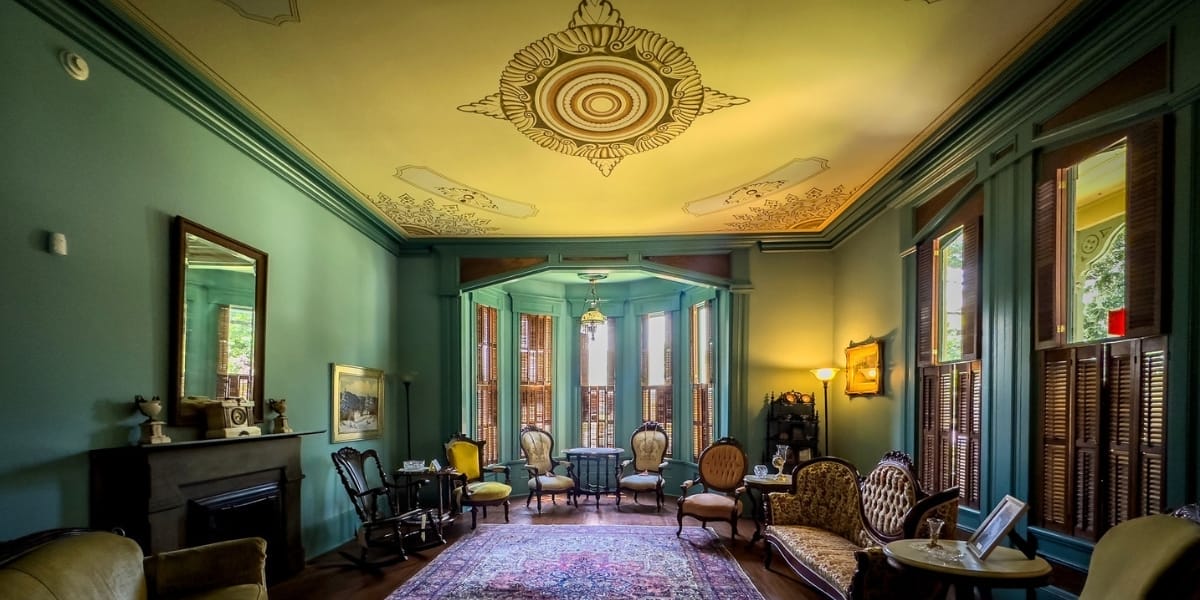

When most people think about historic Fort Smith, they picture the gallows at the Fort Smith National Historic Site, brick streets in the Belle Grove Historic District, murals decorating downtown alleys, or the history of the U.S. Marshals.
But behind those preserved walls and carefully curated museum exhibits lies a story that rarely makes it into the tour brochure. (Isn’t it fun when we get to peel back the wallpaper on history!)
In 1888, long before women could vote and decades before they could hold most public offices, a group of 25 women started meeting every two weeks. They named themselves the Fortnightly Club. What began as a quiet artistic literary society shaped Fort Smith’s cultural future, and its impact remains visible across the city today.
Fort Smith in the 1890s: A City Growing Up
By the 1890s, Fort Smith was no longer just a rugged frontier outpost. The era of Judge Isaac Parker and the Wild West reputation still lingered in memory, but the city was changing. Railroads were expanding trade. Families were settling into elegant homes in what is now the Belle Grove Historic District. Businesses were growing, and Fort Smith was starting to see itself as more refined and permanent.
Yet women still remained excluded from formal political participation. They could not vote or run for office. Their influence was expected to stay within the home and church.
And yet, something significant was happening inside parlors and drawing rooms all over town.
Women were gathering, planning and changing their communities!
Across America during this time, women’s clubs were growing as leaders in civic development and as sources of purpose for women in their communities; Fort Smith joined in.
The Birth of the Fortnightly Club
In 1894, 25 women, including Mary Parker and Florence Clayton, wives of prominent men in town, founded the Fortnightly Club. The name directly reflected their meeting schedule: every two weeks.
But their purpose was far from simple.
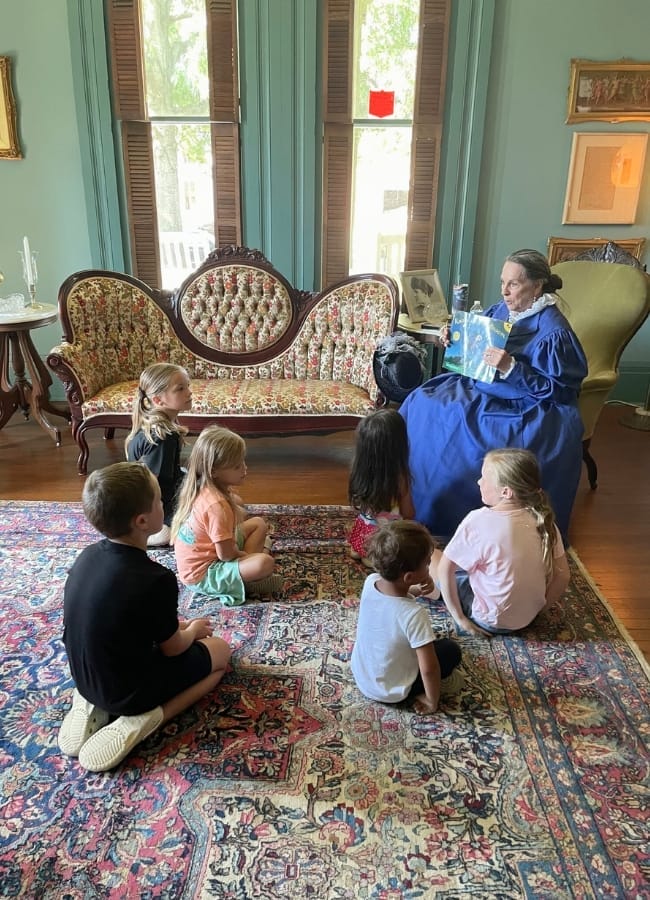
They gathered to study literature, history, philosophy and current events. Members prepared research papers and led discussions. They explored ideas shaping the modern world. After all, these women hosted the town’s elite and out-of-town guests in their homes weekly, so it was time to process the world’s news and events.
At first, it might seem like a gossip-filled book club. In reality, it was a leadership incubator.
A good book in a library is like a good citizen in a community.” (Recorded in Fortnightly Club minutes.)
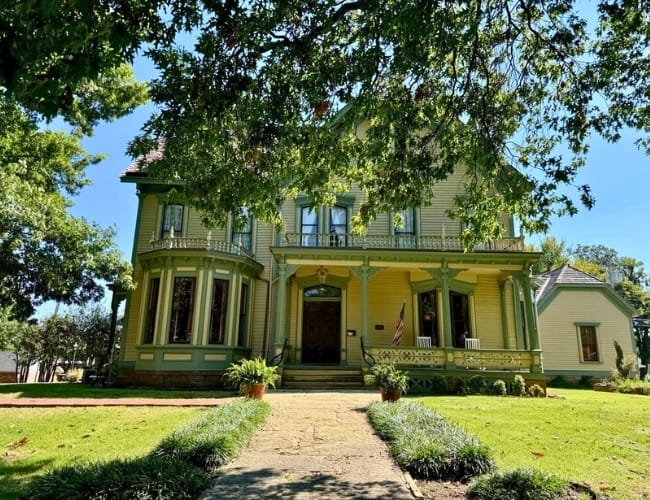
These women were well-educated, socially connected and deeply dedicated to their city’s future. Many belonged to prominent families and resided in homes that visitors can still tour today, such as the Clayton House. They understood the importance of networks, influence, and organization. However, they lacked official authority.
So they built something else: cultural authority.

Building a Library, Preserving a Story
The Fortnightly Club’s most lasting contribution was helping establish Fort Smith’s first public library.
During a time when access to books was mostly private or limited, the club started collecting books, raising money, and pushing for a public organization focused on literacy and education. Their efforts set the foundation for what would become the Fort Smith Public Library system.
Today, visitors entering the Fort Smith Public Library might not realize that its origins date back to a group of women gathering around tables more than a century ago. A subset of four original members interviewed the community about the possibility of opening a public library. The Fortnightly Library Association was formed with the long-term goal of creating a public library and memberships were $5 annually.

On July 27, 1892, the Fortnightly Library Association opened Fort Smith’s first public library inside the Belle Grove school building, with 1,100 books on its shelves. The collection reflected both community generosity and the determination of the Fortnightly Club women, combining donated volumes, books used in their own literary studies, titles purchased through membership fees, and works on indefinite loan from St. John’s Episcopal Church. Later that summer, the growing library moved to free space in the probate courtroom at the county courthouse. By 1902, what started as a women-led literary effort had expanded into the largest public library in Arkansas.
However, the club’s influence went beyond just books. Members also showed interest in preserving Fort Smith’s history. They collected artifacts, promoted recording local stories, and backed early efforts to protect the city’s architectural heritage. The belief that Fort Smith’s story was worth saving helped shape what we now experience at the Fort Smith Museum of History and throughout the Belle Grove Historic District.
These women understood that a city’s identity is built on what it chooses to remember.

Women Leading Without the Vote
What makes the Fortnightly Club’s story so compelling is the context.
These women led for decades before the 19th Amendment granted women the right to vote in 1920. They did not hold elected office, sign legislation or control public funds. Still, they were shaping their community’s future.
Their influence stemmed from organization, persistence and teamwork. They used their education and social status not for personal gain but to promote long-term civic development. By meeting regularly, planning carefully and working together, they built institutions that endured beyond their time.

Walking in Their Footsteps
Visitors exploring Fort Smith can still trace the legacy of the Fortnightly Club in tangible ways.
Tour the Clayton House and imagine conversations happening in its parlors. Walk or drive through the Belle Grove Historic District and see the kind of established neighborhoods these women called home.
Visit the Fort Smith Museum of History and think about early efforts to preserve collections like these. Step through the gates of the Fort Smith National Historic Site and see the courtroom where Parker and Clayton worked tirelessly together against criminals of the Wild West. Drop by the Fort Smith Public Library and remember that it was founded by civic-minded women who believed education should be accessible.

The Invitation Hidden in the Story
It’s easy to think that real civic change requires official titles or authority. The women of the Fortnightly Club demonstrate that influence often starts with something much simpler: a shared vision and a commitment to meet regularly.
They weren’t waiting for permission or staging dramatic protests. They were steadily, thoughtfully and collaboratively building.

More than a century later, Arkansas travelers continue to benefit from their efforts. Families tour historic preserved homes. Students visit public libraries. Visitors explore museums that showcase Fort Smith’s layered history.
All because a group of women decided their city deserved more.
The Fortnightly Club might not make headlines in bold, but its legacy endures in brick buildings, library shelves and preserved streets.
And perhaps the most fascinating part is this: If 25 women meeting every two weeks could influence the cultural future of Fort Smith in 1888, what might be possible in our communities today?
Cover image taken in the front parlor of the Clayton House, where the women likely met to plan. Used with permission from Discover Fort Smith. Unless otherwise noted, other photos in the story belong to the Fort Smith Museum of History.


We do the work.
You check your email.
Sign up for our weekly e-news.
Get stories sent straight to your inbox!


Like this story? Read more from Keisha Pittman McKinney
Visitors to the recent Jonquil Festival in Washington, Arkansas, got a...
It's officially soup season in Arkansas. After a period of cold weather,...
Stuffing an Easter basket is one of those quiet rites of parenthood....
Join the Conversation
Leave a Comment