





Uh oh...
It appears that you're using a severely outdated version of Safari on Windows. Many features won't work correctly, and functionality can't be guaranteed. Please try viewing this website in Edge, Mozilla, Chrome, or another modern browser. Sorry for any inconvenience this may have caused!
Read More about this safari issue.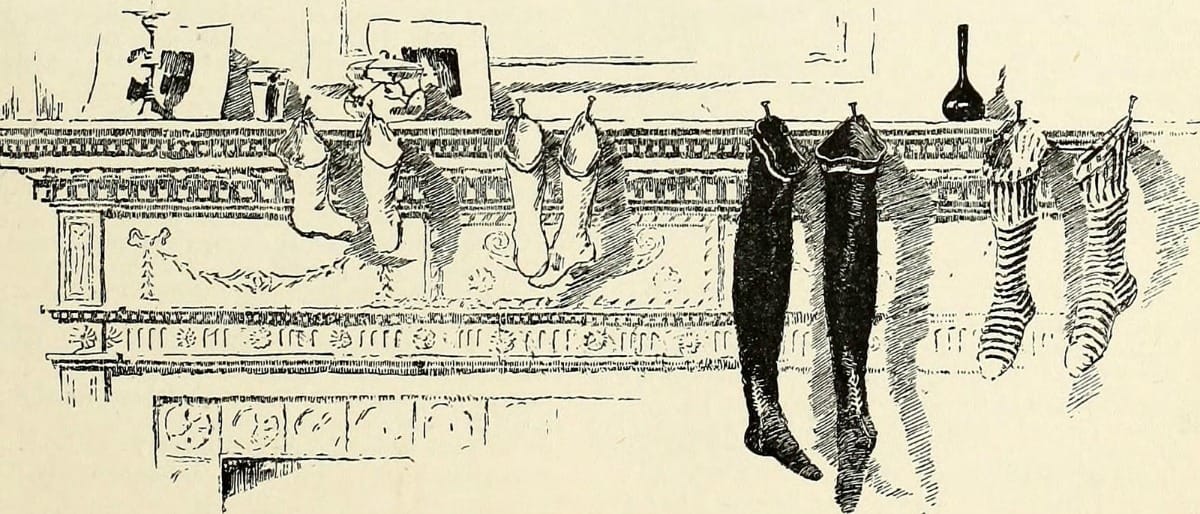

Life in Arkansas’s early 20th-century company towns revolved around sawmills, factories and cotton fields. But at Christmastime, even these work-centered communities found ways to share in holiday cheer. Families in towns like Crossett, Huttig, Trumann, Graysonia, and Wilson lived in communities shaped by one company, which owned the mills, the houses and the stores they relied on. Work, play and education were provided by the company and were, for the most part, a benefit to all involved. Workers worked hard but were provided for, and when the holidays rolled around, Christmas in a company town was a special time.
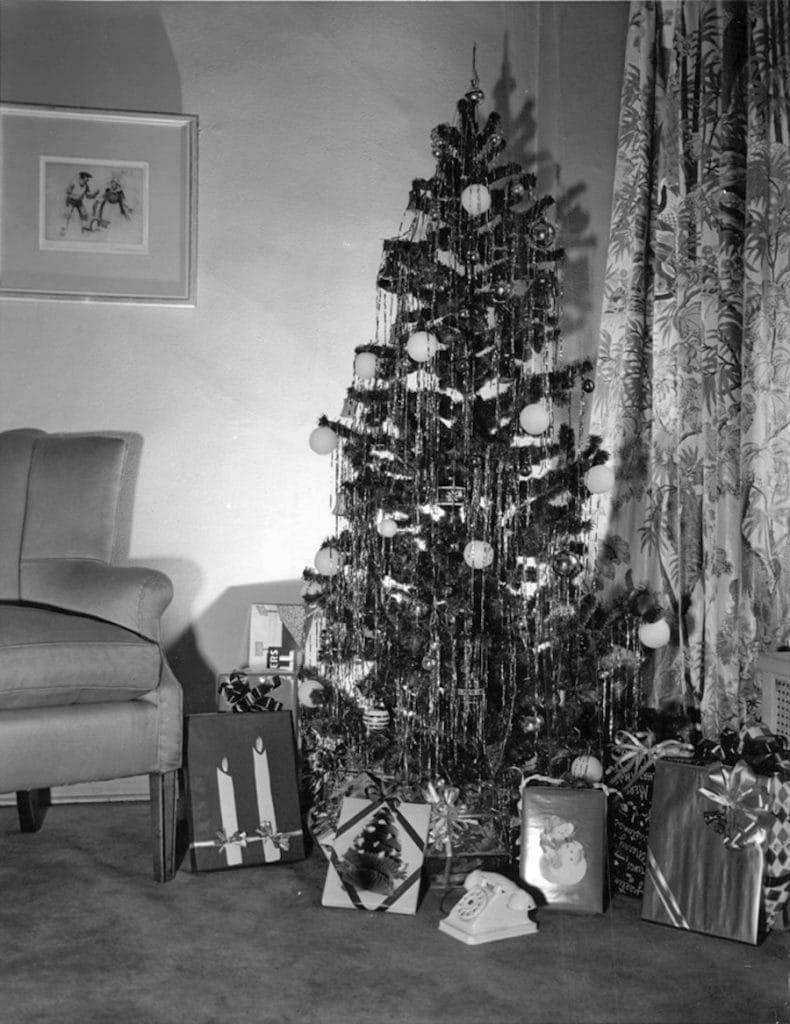
Christmas was more than just a day off; it was one of the rare moments where life slowed down, families gathered, and the rigid rhythms of mill life softened. Work schedules varied, but most mills and factories, even those that operated on a near 24-hour-a-day schedule, likely closed on Christmas Day. In some towns, especially those with active social programs, the company would organize holiday festivities, hosting a Christmas party with a tree and a visit from Santa. Bags of fruit and candy, and sometimes small toys, were handed out to the children.

The company store would stock special seasonal goods, and families might use saved-up scrip or hard-earned wages to buy oranges, peppermint sticks, dolls or hand tools as gifts. Decorations were homemade: strings of popcorn, cut greenery from the surrounding forests, and perhaps a few candles glowing in windows. Churches held nativity plays or candlelight services, while schools put on Christmas pageants. In some towns, the company gave bonuses, distributed hams or turkeys or hosted community dinners, which were important moments of joy and connection.
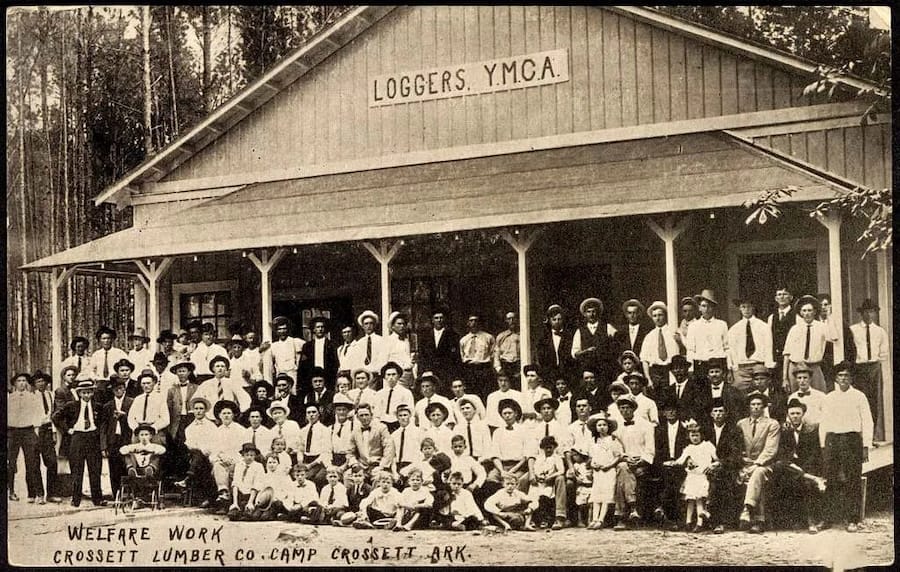
Crossett
Crossett was founded by the Crossett Lumber Company in 1899. The town grew into a major center for lumber and paper production. The company owned nearly everything in town until 1946. Known for its model town design, Crossett had electricity, a commissary and recreational facilities early on. It likely hosted organized Christmas events, especially by the 1930s, with parties at the community house and perhaps bonuses or gift baskets distributed to workers and their families.

Huttig
Huttig was established in 1904 by the Union Saw Mill Company in remote Union County. A segregated town, it had separate facilities and neighborhoods for Black and white residents. The company built schools, churches and a community house where Christmas gatherings likely occurred. Workers may have received food baskets or shared community meals with celebrations and traditions centered around church, food and modest gifts. Civil Rights activist Daisy Bates was born in Huttig. Her father, Hezekiah Gatson, worked as a lumber grader.
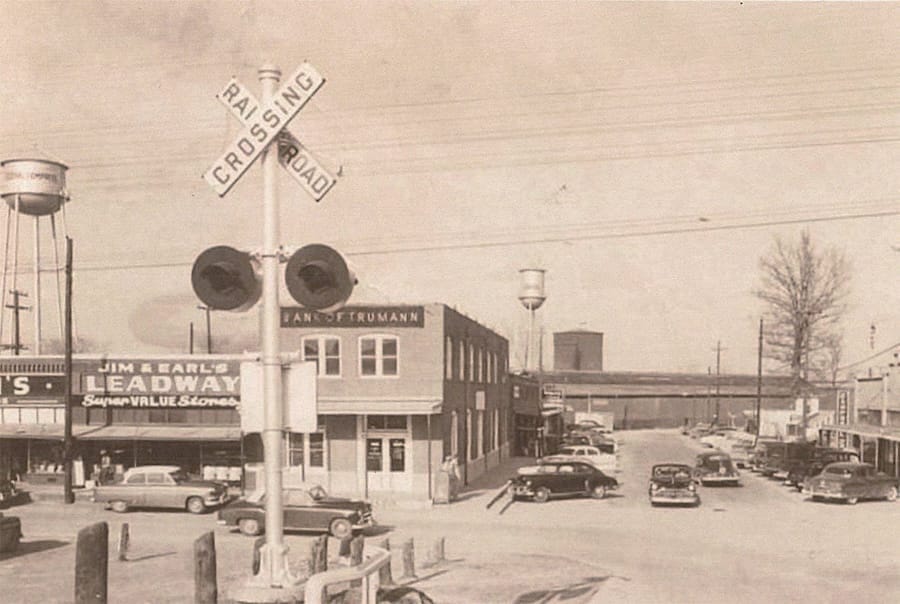
Trumann
First a lumber town and later a factory hub, Trumann began as a lumber town in 1908 and later became a company town under the Singer Sewing Machine Company in the early 20th century. The growing popularity of Singer sewing machines caused an increase in demand for lumber needed to build signature cabinet-style housing. The already-established lumber town was a perfect fit. Singer built worker housing, a community center and recreational facilities. The company was known for hosting annual Christmas events at the community house and may have offered bonuses or vouchers to employees. Families decorated modest homes and attended church services or company parties.
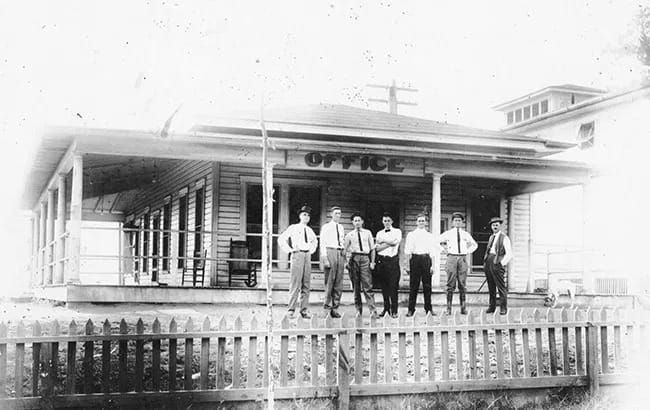
Graysonia
Graysonia was founded in 1907 by the Arkadelphia Lumber Company and once cut more lumber than nearly any other town in the South. Its prosperity was short-lived, and the town was abandoned after the mill closed in 1931. During its heyday, Graysonia likely had company-sponsored Christmas meals or gatherings at its hotel or community buildings. Residents would have decorated with forest greenery, and churches likely held Christmas services. The final Christmas before the town’s decline in 1931 may have been a somber but heartfelt gathering.
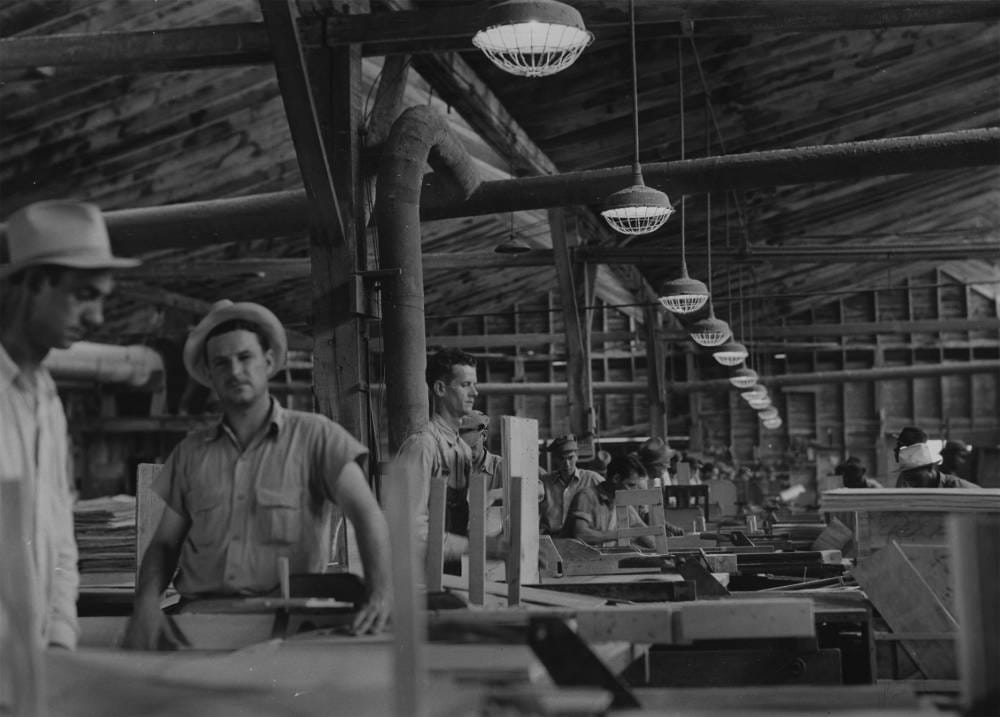
Wilson
Founded in 1886 by Robert E. Lee Wilson, Wilson began as a logging camp and grew into a model cotton plantation town. The mill also processed corn, alfalfa and wheat, then later added rice and soybeans as the mill tried to adjust to agricultural needs. It was fully company-owned until the mid-20th century. The town featured Tudor-style architecture and offered housing, health care and public spaces for its workers. At Christmas, the Wilson family may have hosted town celebrations, distributed food baskets, or organized tree lightings in the central square. Families celebrated with church services and humble meals, often with goods from the company store.

Arkansas’s company towns demand a lot of their workers, and it wasn’t a glamorous lifestyle. Christmas often offered a small respite from the daily grind. It was a season that momentarily softened the hard edges of company life, bringing a little joy and light into the piney woods and Delta fields.


Like this story? Read more from Julie Kohl
 0
0
Tornado Season | Storm Shelter Must-Haves

Tornado season is part of life in Arkansas, and the time to think about...
 0
0
Arkansas’s Night Forest
One of my favorite family traditions is going for night walks. We tend to...
 0
0
Spring Migration in Arkansas
I've got spring fever, and watching birds fill the sky as they head north...
Join the Conversation
Leave a Comment
One response to “Christmas in a Company Town”
 Leave a Reply
 Leave a Reply
We do the work.
You check your email.
Sign up for our weekly e-news.
Get stories sent straight to your inbox!


Julie, thank you so much for researching and including Graysonia. I have been fascinated with Graysonia for many years but so few know of its existence. Appreciate your inclusion of this forgotten company town.