





Uh oh...
It appears that you're using a severely outdated version of Safari on Windows. Many features won't work correctly, and functionality can't be guaranteed. Please try viewing this website in Edge, Mozilla, Chrome, or another modern browser. Sorry for any inconvenience this may have caused!
Read More about this safari issue.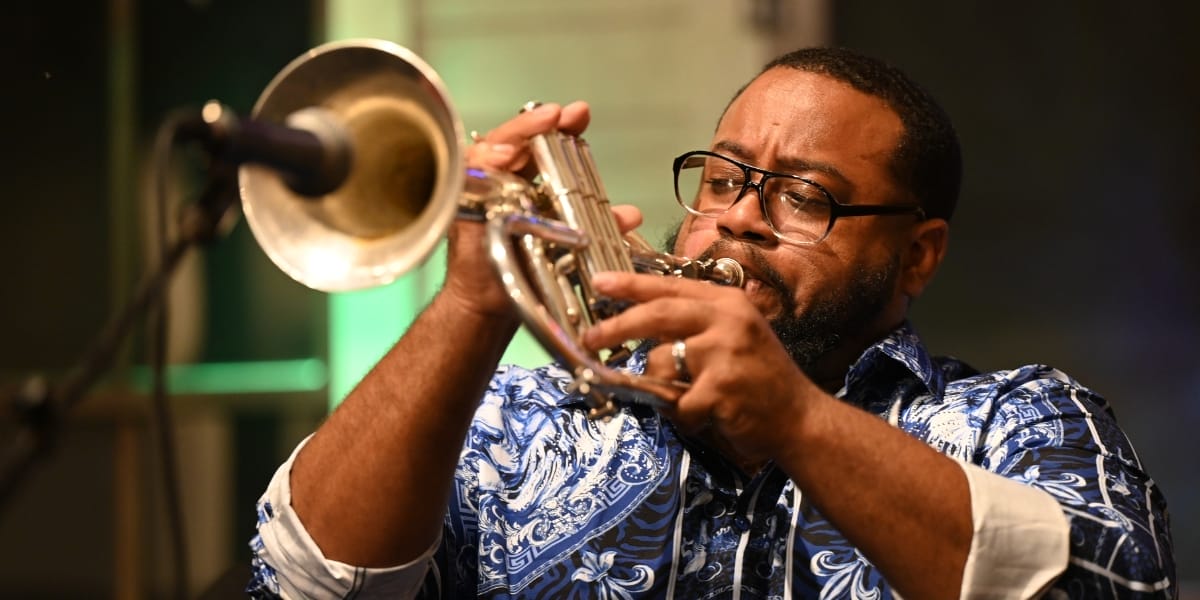

If you’re the kind of traveler who believes seeing is believing, Arkansas is a powerful place to explore the roots of jazz. Here, the story of American music isn’t confined to textbooks or museums; it lives in neighborhoods, old ballrooms, river towns, and clubs where musicians once traded solos late into the night.
“Music plays an important part in the history and culture of Arkansas,” historians often note, and jazz is a key thread in that story. While Arkansas may not be the first place people think of when they think of jazz, the state has quietly influenced the sound, hosted the musicians, and launched the movement in lasting ways.
Jazz History in Arkansas: A Tale of Place and Sound
To understand jazz in Arkansas, it’s helpful to know where it thrived and how it spread.
During the 1930s and 1940s, blues and jazz often shared musicians, audiences and stages, especially across the South. However, in Arkansas, they usually thrived in separate settings.
Blues deeply took root in the rural Delta. Towns like Helena and West Memphis became known for juke joints and informal venues where storytelling, emotion and rhythm dominated the night. Radio programs such as King Biscuit Time, broadcast from Helena beginning in 1941, helped disseminate Delta blues far beyond state borders.

Jazz, on the other hand, thrived in more urban and organized venues. In Little Rock, major bands and swing orchestras toured, filling ballrooms and theaters. Venues like the Dreamland Ballroom on West Ninth Street hosted some of the most prominent names in jazz history, providing polished performances and lively dance floors.
Bridging these two musical worlds was a lively, infectious style called jump blues. Arkansas native Louis Jordan, born in Brinkley, helped make this sound popular in the 1940s. Jump blues combined the swing of jazz with the soul of blues, later influencing rhythm and blues and early rock and roll.
Even during segregation, music transcended boundaries. The Chitlin’ Circuit, a network of venues that welcomed Black performers, enabled jazz and blues musicians to share stages across Arkansas. In Hot Springs, the Ohio Club became a legendary stop, hosting jazz and blues artists from the 1930s onward, and continues to uphold that tradition today.
By mid-century, Arkansas had established a layered jazz identity, grounded in community, shaped by location and linked to national movements.
Jazz Artists with Arkansas Roots
Arkansas’s contribution to jazz is best described through its musicians. Some were born here, some traveled through, and others carried Arkansas with them wherever they went.
Groundbreakers and Innovators
Sister Rosetta Tharpe
Born in Cotton Plant, Tharpe’s influence spans gospel, blues, jazz, and rock and roll. It’s hard to find a major American music genre that doesn’t trace part of its roots back to her innovative sound and fearless performance style.
Alphonso E. “Phonnie” Trent
One of Arkansas’s earliest prominent jazz figures, Trent led the Alphonso Trent Orchestra, widely regarded as one of the most advanced jazz bands in the Southwest in the 1920s. His orchestra became the first Black band broadcast on the radio in Dallas, marking a significant milestone in American music history.
Snub Mosley
Born in Little Rock, Mosley performed alongside legends like Louis Armstrong and Fats Waller and later invented the slide saxophone, leaving a distinctive mark on jazz innovation.

Arkansas Connections That Shaped Jazz History
Miles Davis
Although born in Illinois, Davis’s parents were Arkansans, and he often credited his time in the state with shaping his musical instincts. One of the most influential jazz musicians of all time, Davis carried those roots into groundbreaking albums like “Kind of Blue” and “Sketches of Spain.”
Pharoah Sanders
Born in Little Rock, Sanders became a key voice in free jazz. After developing his skills in Arkansas clubs, he went on to work closely with John Coltrane, helping to push jazz into bold, experimental areas.
Art Porter Sr. and Art Porter Jr.
Based mainly in Little Rock, Art Porter Sr. established a jazz legacy that remained local, while his son brought Arkansas jazz to national and international audiences with a sound that mixed jazz, rhytm and blues and funk.
Voices, Educators and Band Leaders
Arkansas’s jazz history also features musicians who taught, mentored and kept the music alive for generations, including Al Hibbler, Walter Norris, Hayes Pillars, Eugene Staples, Clark Terry, John Stubblefield and Jimmy Witherspoon.
Together, these artists demonstrate how Arkansas has long been both a springboard and a hometown for jazz talent.
No Tears Overture written by Little Rock jazz artists in honor of the The Little Rock Nine.
How to Experience Jazz in Arkansas Today
Jazz isn’t just a part of Arkansas history; you can still experience it firsthand.
- Arkansas Entertainers Hall of Fame features musicians from various genres through exhibits, instruments and memorabilia.
- Jazz at the Bakery features live performances in Little Rock organized by the Arkansas Jazz Heritage Foundation.
- The Eureka Springs Jazz Weekend brings live music to downtown Eureka Springs every fall.
- In Brinkley, the Central Delta Depot Museum celebrates Louis Jordan and the area’s musical history.
- Colleges across the state, including the University of Arkansas, University of Arkansas at Little Rock, Ouachita Baptist University and Henderson State University, keep jazz alive through ensembles and performances.
- In Hot Springs, the Ohio Club continues a century-old tradition with weekly jazz nights in the same walls that once hosted legends.
Lord, if you ever get crippled, let me tell you what to do
Take a trip to Hot Springs, and let ’em wait on you
When they put you in the water and do the bathhouse rag
Lord, they’ll put you in the water and do the bathhouse rag
And if you don’t get well, you’ll sure come back”
-Bessie Smith
That sense of welcome still holds true. In Arkansas, jazz isn’t just history; it’s part of the landscape, woven into towns, universities, festivals, and stories handed down through generations.
Whether you come to listen, learn, or simply wander into a place where music once poured into the streets, Arkansas invites you to experience jazz where it thrived, where it grew, and where it still plays on.
Cover image used with permission from the Arkansas Departments of Parks, Heritage and Tourism.


We do the work.
You check your email.
Sign up for our weekly e-news.
Get stories sent straight to your inbox!


Like this story? Read more from Keisha Pittman McKinney
Arkansas has long been fascinated with outlaws. From Jesse James and Bill...
Pancakes and Lent have long been connected. Around the world, churches...
When most people think about historic Fort Smith, they picture the...
Join the Conversation
Leave a Comment