






Uh oh...
It appears that you're using a severely outdated version of Safari on Windows. Many features won't work correctly, and functionality can't be guaranteed. Please try viewing this website in Edge, Mozilla, Chrome, or another modern browser. Sorry for any inconvenience this may have caused!
Read More about this safari issue.

This past summer, I found myself listening to a pickin’ session at the Ozark Folk Center in Stone County. The porch looked like it had been built for storytelling, and it felt like we had stepped back in time. As the air hummed with cicadas, the musicians wrapped up an old gospel song and began chatting about what was happening around the park. An older man leaned back and said, “We might could pick a few more songs if the skeeters don’t carry us off first.”
How he said it made me smile. Might could paired with skeeters instead of mosquitoes. It’s a phrase I’ve heard a hundred times before, but sitting there in the hills, it struck me how distinct and familiar that little phrase feels. It’s the kind of expression that tells you exactly where you are, even if you closed your eyes.
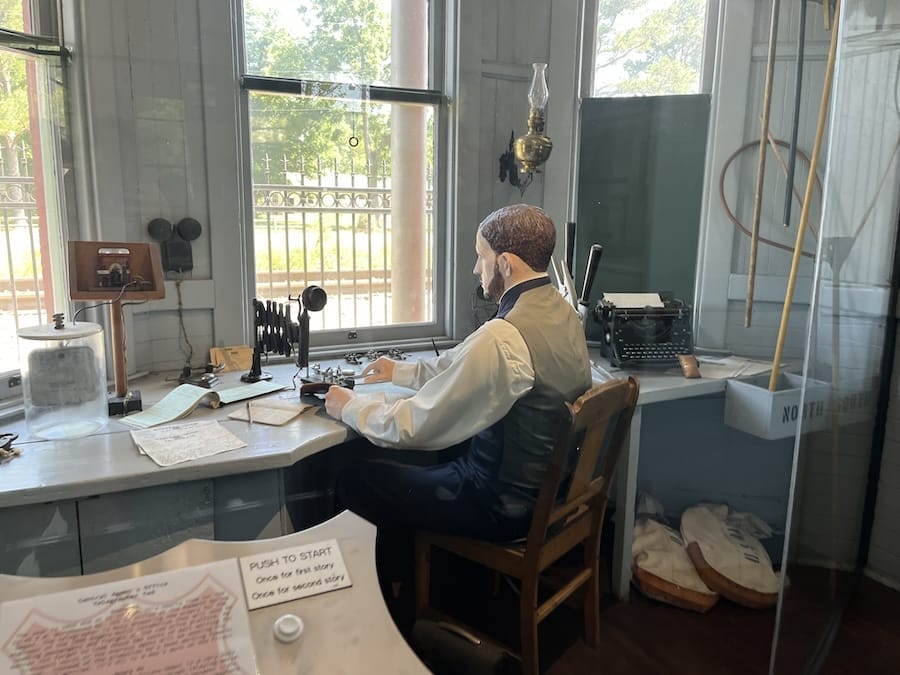
Across the Ozarks, language lingers like the scent of wood smoke. Old words and rhythms are passed down from one generation to the next. You still hear them at church gatherings, on front porches and in small-town cafés where conversation tends to move at a slower pace. From “fixin’ to” and “done told ya” to words like holler and yonder, the dialect of the Ozarks isn’t disappearing. It’s tucked quietly into everyday speech and used by Arkansan’s in every walk of life.
Linguists call the language of northwest Arkansas and southern Missouri Ozark English, a blend of Southern and Midland dialects that traveled here with settlers from Appalachia and the British Isles. Those early families carried their words like heirlooms and the rugged hills helped keep them safe. While other regions shifted toward standardized speech, the Ozarks held on to their own rhythm, preserving phrases like afeared, plumb and reckon. Today, that same rhythm still hums through kitchen-table talk, church suppers, and front-porch stories across northern Arkansas. It’s part history, part identity and all Arkansas.
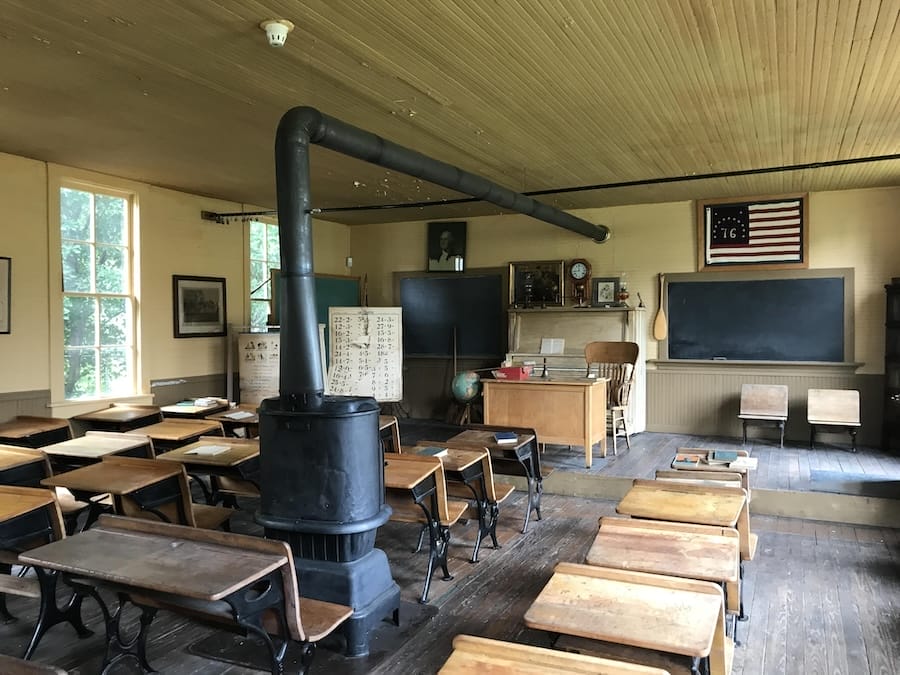
But Ozark language isn’t frozen in time. It changes with the people who speak it. Drive south into the Delta and you’ll hear a slower drawl, a smoother cadence, and the influence of African-American Vernacular English layered into local speech. Head back up into the mountains, and you might hear “I done told you” at a deer camp or “We’re fixin’ to eat” outside a church. Linguists call these features markers of regional identity, but to most Arkansans, it’s simply the language of home and living proof that our voices are shaped by where we were raised.
Say It Like an Arkansan
Ozark language is full of color, rhythm and charm. It’s a mix of old expressions carried down through generations and everyday sayings that still pop up in conversations across the state. Spend time with the locals and you’re sure to hear a few of these expressions.
Fixin’ to – About to do something. “I’m fixin’ to start supper.”
Might could – A polite maybe. “We might could get that done tomorrow.”
Done – Used for emphasis. “I done told you not to do that.”
Y’all – You all. It’s friendly, inclusive and practically Arkansas law.
Reckon – To think or suppose. “I reckon it’s gonna rain.”
Over there yonder – Somewhere not too far, but not right here either. “The cows are over there yonder by the fence.”
Bless your heart – A phrase that can mean genuine sympathy or a gentle scolding, depending on the tone.
Can’t never could – A little grammar lesson and pep talk rolled into one. “Can’t never could if you don’t try.”
Act like you’ve been out of the barn before – Said to someone behaving badly or showing off.
As angry as a wet hen – Very mad. “She was as angry as a wet hen when she heard the news.”
I don’t care to – Can mean either “I don’t mind” or “I’d rather not,” depending on how it’s said.
Warsh – To wash. “Go warsh your hands before supper.”
Tump – To tip over or spill. “Don’t tump that bucket.”
Spun up – Worked up or agitated. “He got all spun up about the game.”
Catawampus – Crooked or out of sorts. “That picture’s hangin’ all catawampus.”
Waller – To wallow or roll around. “The pigs are wallerin’ in the mud again.”
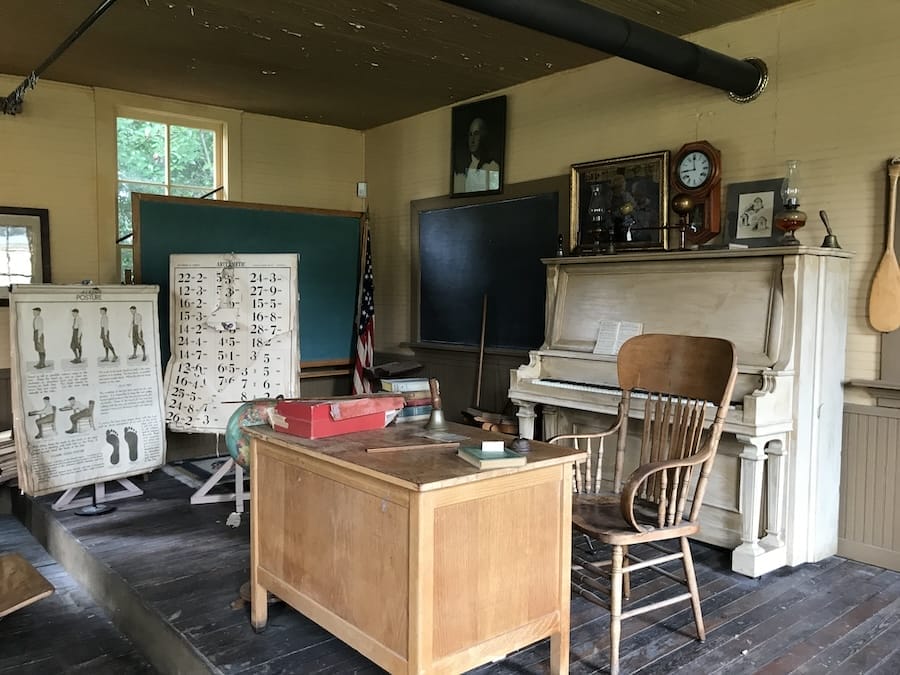
These sayings aren’t just country curiosities — they’re pieces of Arkansas history that still roll off tongues today. Each one carries a bit of humor and heritage, reminding us that the way we talk says as much about where we’re from as the map ever could.
If you’re curious about more Ozark language, check out Don’t Be Persnickety or a Scallywag: Arkansas Sayings, Part 1 and Lord Have Mercy: Arkansas Sayings, Part 2.


We do the work.
You check your email.
Sign up for our weekly e-news.
Get stories sent straight to your inbox!


Like this story? Read more from Julie Kohl
Tornado season is part of life in Arkansas, and the time to think about...
One of my favorite family traditions is going for night walks. We tend to...
I've got spring fever, and watching birds fill the sky as they head north...
Join the Conversation
Leave a Comment