






Uh oh...
It appears that you're using a severely outdated version of Safari on Windows. Many features won't work correctly, and functionality can't be guaranteed. Please try viewing this website in Edge, Mozilla, Chrome, or another modern browser. Sorry for any inconvenience this may have caused!
Read More about this safari issue.

There are places in Arkansas that still fascinate me when I learn their backstory. Maybe I am a full-blown history nerd, or maybe it is because I did not grow up in Arkansas. When I finally get to visit a place that has long been on my Arkansas bucket list, I tend to get a little silly. I want to stand in the rooms, read all the signs and dig into the stories of what happened there.
The Old State House Museum in Little Rock is one of those places.
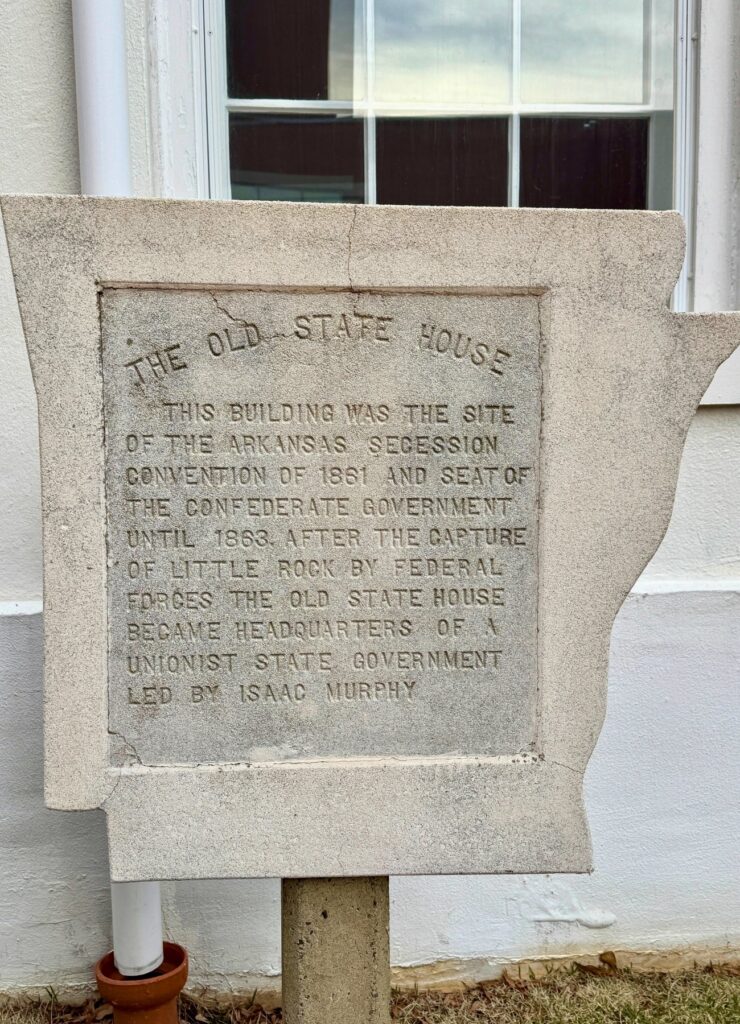
This summer, Arkansas celebrated its 190th birthday. On June 15, 1836, Arkansas became the 25th state admitted to the Union. Exactly 190 years later, the Arkansas250 Commission unveiled a new historical marker at the Old State House grounds, recognizing the building’s place not only in Arkansas history but also in the broader American story. The marker is part of a statewide initiative commemorating significant Arkansas places during America’s 250th anniversary year.
Nearly two centuries old, the Old State House has witnessed a lot of history. On a summer adventure through Little Rock, I knew it was finally time to stop and learn more.
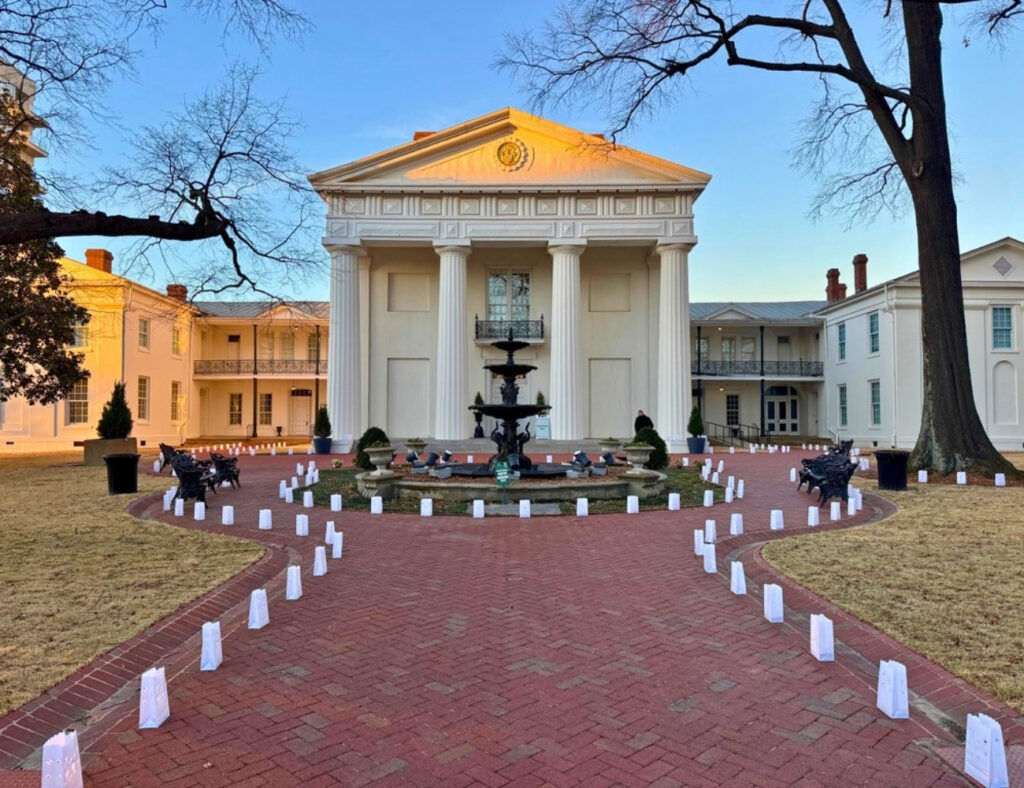
Building a Capitol for a Future State
Here’s the first thing that surprised me: construction on the Old State House began before Arkansas achieved statehood.
In 1833, Territorial Gov. John Pope anticipated that Arkansas would soon achieve statehood and hired architect Gideon Shryock, who had designed the Kentucky State Capitol, to design a Capitol building overlooking the Arkansas River.
The original plans called for an impressive Greek Revival stone structure with a copper roof. Arkansas’s budget required some adjustments. Stone was replaced with stucco-clad brick, the size was reduced and faux finishes were used inside to mimic more expensive materials.
The building was designed to accommodate the three branches of the new state government. The legislative chambers occupied the center, the executive branch used the west wing and the judicial branch occupied the east wing.
When Arkansas officially became a state in 1836, construction was still underway. In fact, the first Arkansas General Assembly met inside while workers continued building around the legislators. The structure was declared complete in 1842, though changes and additions would continue for generations.
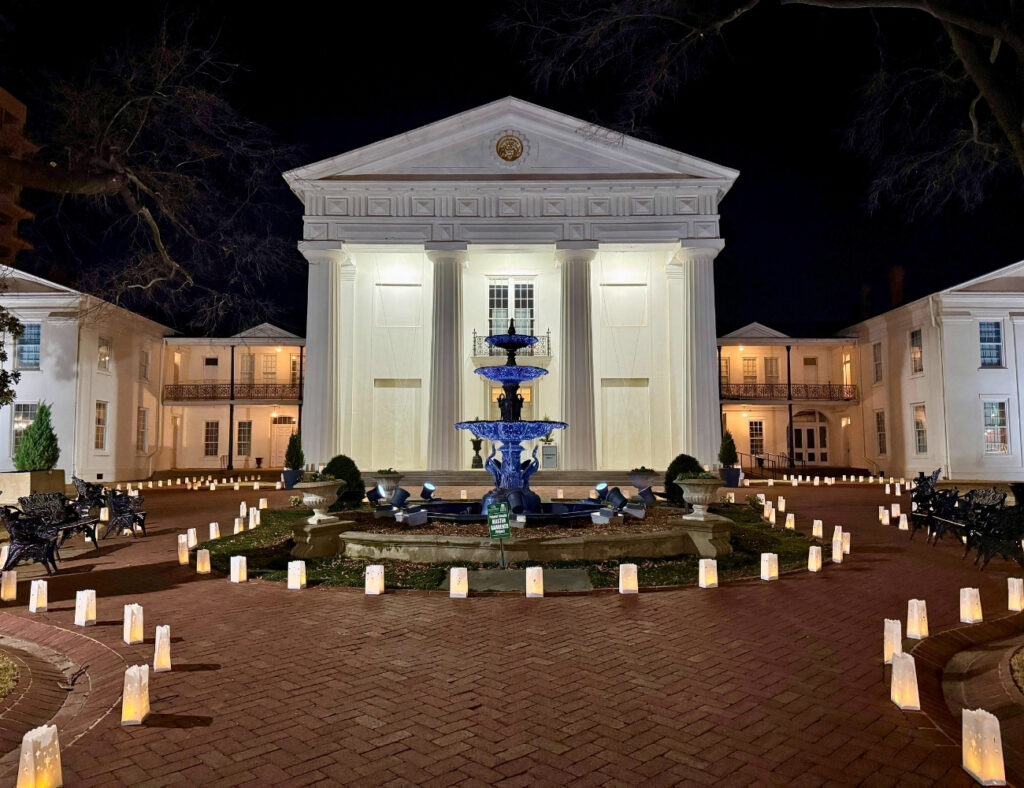
Today, it remains the oldest standing state Capitol building west of the Mississippi River.
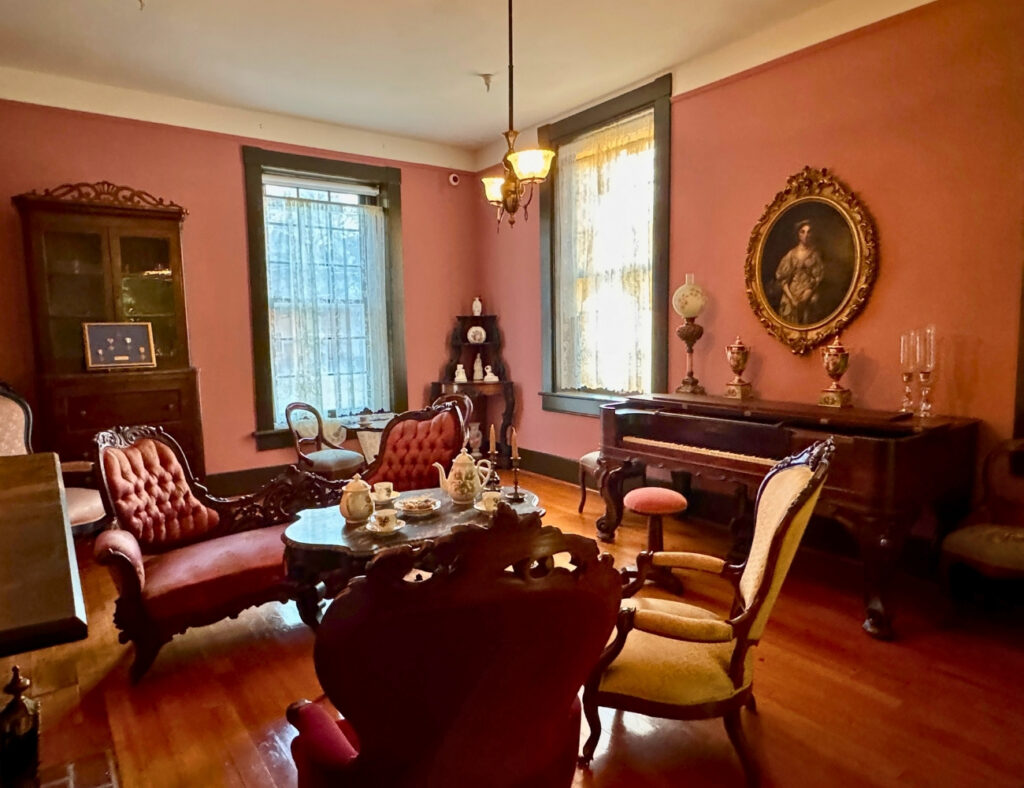
When Arkansas History Happened Here
For the next 75 years, the State House was at the center of Arkansas government, and some of the state’s most consequential, complicated and even unbelievable moments occurred within its walls.
- In 1837, a debate over taxes on the House floor turned deadly when Speaker John Wilson stabbed Rep. Joseph J. Anthony.
- In 1861, delegates gathered here for the Secession Convention. In May, all but one, Isaac Murphy, voted for Arkansas’ secession from the Union.
- The building served as the seat of Arkansas’ Confederate government until Union troops captured Little Rock in 1863. Afterward, the Confederate state government relocated to Washington in southwest Arkansas.
- The site also holds a painful history. Before Pulaski County had a permanent courthouse, county government rented space in the east wing. Historians now estimate that 400 to 500 enslaved people were auctioned at this location.
- Then came the Brooks-Baxter War of 1874, an armed political conflict over the Arkansas governorship. The Old State House and its grounds were again at the center of events. The Lady Baxter Cannon, still on display on the grounds, connects visitors to that chapter in the building’s history.
- In 1891, legislators debated and passed the Separate Coach Law, which mandated racial segregation on trains and became one of the segregation laws that would define the Jim Crow era in Arkansas.
Decisions made here also shaped everyday life for generations of Arkansans. Standing inside the Old State House today, it is worth remembering that these are not rooms designed later to look historic. These spaces are connected to the real decisions, conflicts and turning points that shaped the state.
A Second Life for the Old State House
By the early 1900s, Arkansas had outgrown its first Capitol. By 1912, government offices had moved into the current Arkansas State Capitol, raising a key question: What should happen to the old building?
The University of Arkansas Medical Department, now the University of Arkansas for Medical Sciences, moved into parts of the former Capitol. The building became associated with pioneering research on malaria and hookworm, including work linked to the nationally significant Crossett Experiment. That medical history would eventually contribute to the Old State House’s 1997 designation as a National Historic Landmark.
In 1921, the building was transferred to the Arkansas Department of the American Legion and renamed the Arkansas War Memorial. Veterans received services there, and civic and patriotic organizations shared the building with the medical school. In the 1930s and early 1940s, New Deal agencies used parts of the property.
The building that once housed a young state government became a medical school, research center, veterans memorial, meeting place and government workspace.
Saving the Old State House
Arkansans began advocating for the preservation of the former Capitol and for giving it a permanent purpose tied to the state’s history. The General Assembly appropriated funds for restoration in 1947. After extensive work, the Old State House officially reopened on Valentine’s Day 1951 as a museum and state archives.
The building itself continued to evolve. An 1885 expansion had already enlarged the House chamber and modified parts of the original structure. Later preservation projects addressed decades of wear, structural issues and the needs of a modern museum.
One of the most extensive restorations began in 1996, when serious foundation problems forced the museum to close. The historic preservation-funded work stabilized the historic building, improved accessibility, updated essential systems and relocated staff offices and collection storage to a separate annex, freeing additional space in the historic structure for exhibits. The museum reopened in 1999.
But history was still being written! Bill Clinton used the building as a backdrop for milestones throughout his political career.
He announced his candidacy for president here and returned for his 1992 election night celebration. In 1996, the Old State House again drew international attention when Clinton celebrated his reelection to a second term as president. A building constructed as Arkansas prepared for statehood had become a backdrop for an Arkansas governor’s ascent to the nation’s highest office.
Visiting the Old State House Museum Today
Today, the Old State House is no longer home to government offices. It is a museum dedicated to interpreting Arkansas history from statehood to the present.
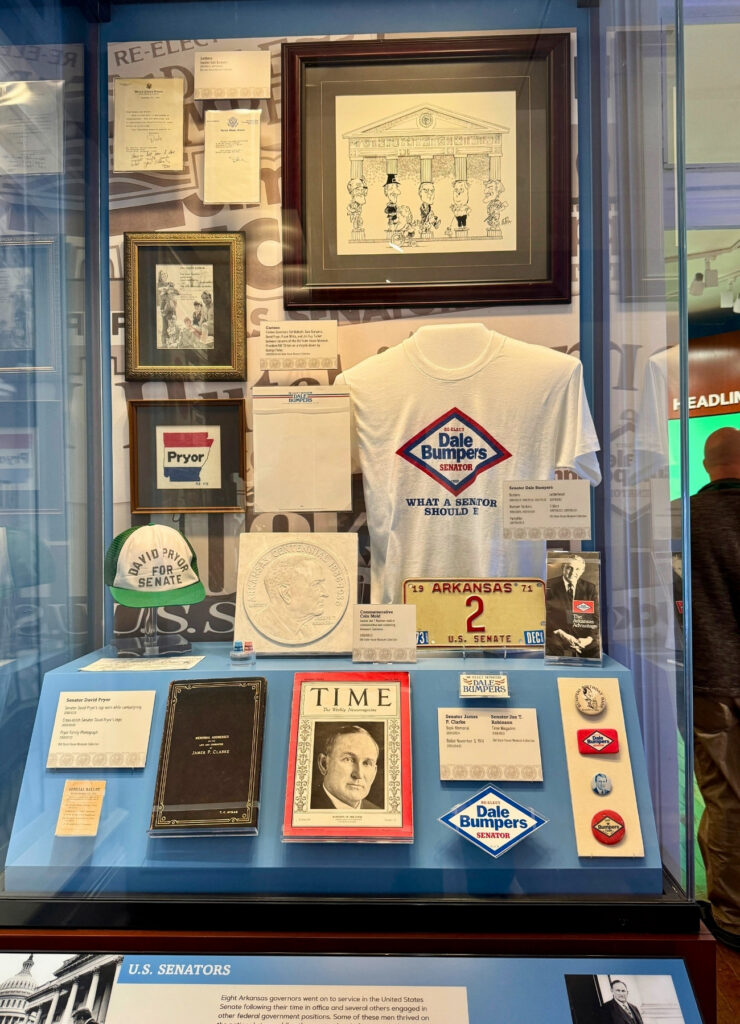
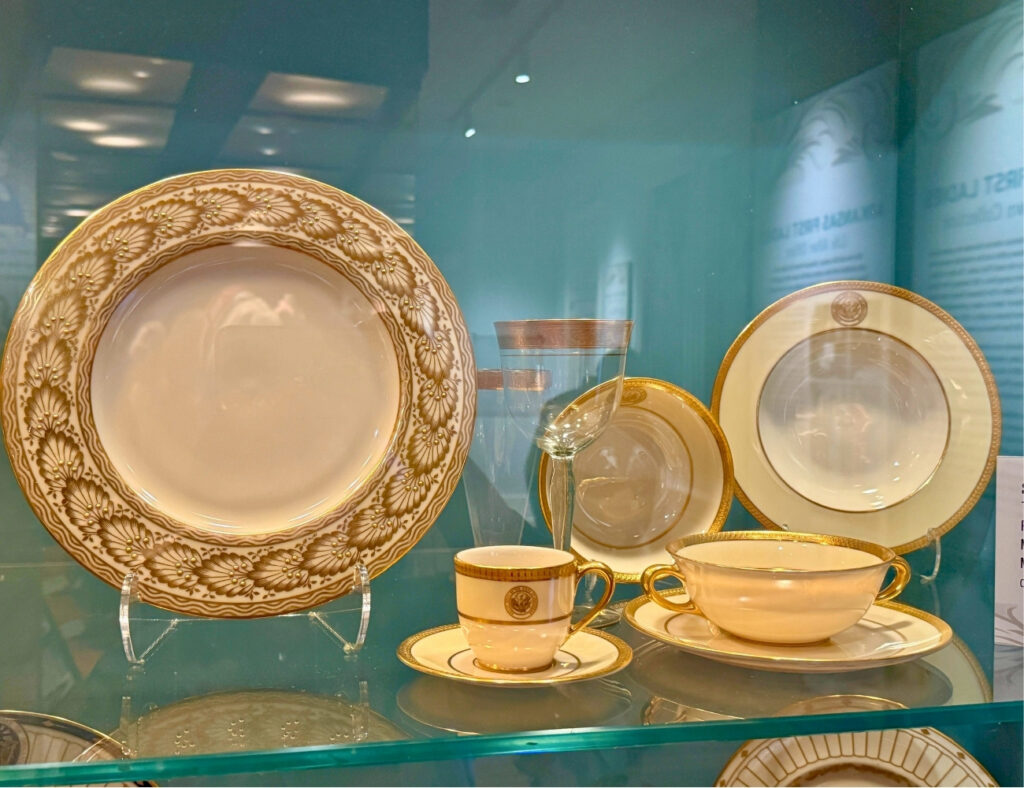
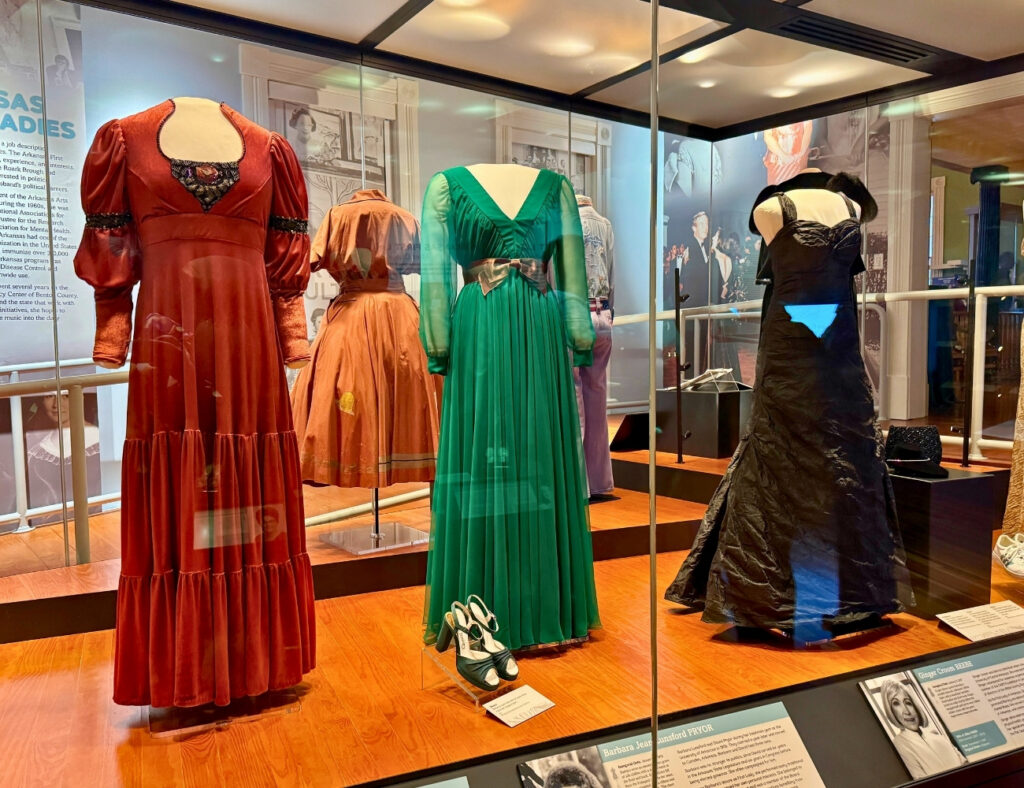
Visitors can explore the restored 1836 House of Representatives chamber, see the larger 1885 House chamber and discover exhibits on Arkansas politics, first families, architecture and the building itself. Permanent and rotating exhibits offer plenty of reasons to return, even if you visited years ago.
During Arkansas’ 250th-anniversary programming in 2026, the museum is also hosting “Before Us, Beyond Us,” an exhibit featuring artifacts spanning different eras of Arkansas history and the state’s place in the American story. The exhibit runs through Dec. 11, 2026.
The new Arkansas 250 historical marker recognizes a place that has witnessed nearly the entire story of Arkansas statehood. That’s why the Old State House is worth adding to a Little Rock itinerary. You do not need to arrive knowing every governor, every political debate or every date in Arkansas history.
Go curious.
Walk through the chambers. Look out over the Arkansas River from the grounds. Think about a new state building its first Capitol here before statehood was even official. The Old State House has had a remarkable front row seat to Arkansas’s story!
Old State House Museum
300 W. Markham, Little Rock
Website | Facebook | Instagram | YouTube
Admission is FREE
Tuesday – Saturday | 9 a.m. – 5 p.m.
Sunday | 1 p.m. – 5 p.m.


We do the work.
You check your email.
Sign up for our weekly e-news.
Get stories sent straight to your inbox!


Like this story? Read more from Keisha Pittman McKinney
There is something special about hearing live music outdoors on an...
There are restaurants you visit because they’re new, and there are...
In Arkansas, some of our best stories are told around a table. You...
Join the Conversation
Leave a Comment