






Uh oh...
It appears that you're using a severely outdated version of Safari on Windows. Many features won't work correctly, and functionality can't be guaranteed. Please try viewing this website in Edge, Mozilla, Chrome, or another modern browser. Sorry for any inconvenience this may have caused!
Read More about this safari issue.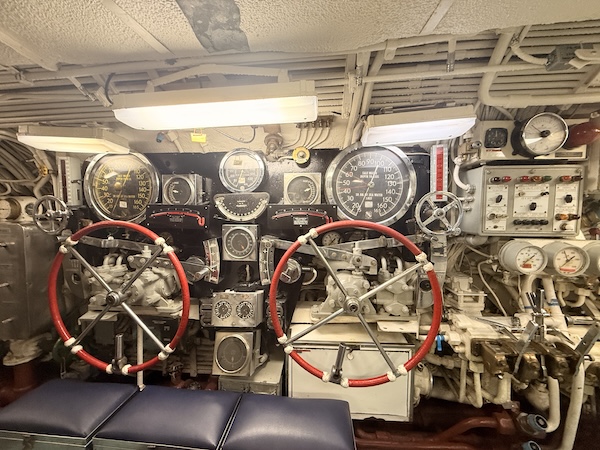

This summer, our family headed south for a road trip to Alabama. At the top of our list were two legendary World War II vessels: the battleship USS Alabama and the submarine USS Drum. Along the way, we explored museums, forts and historic sites, but it was those massive naval vessels that made the biggest impression, especially on my nine-year-old son. He loved seeing the Gulf Coast, exploring the ships, and learning about the military history behind them. He also asked more questions than I could answer.
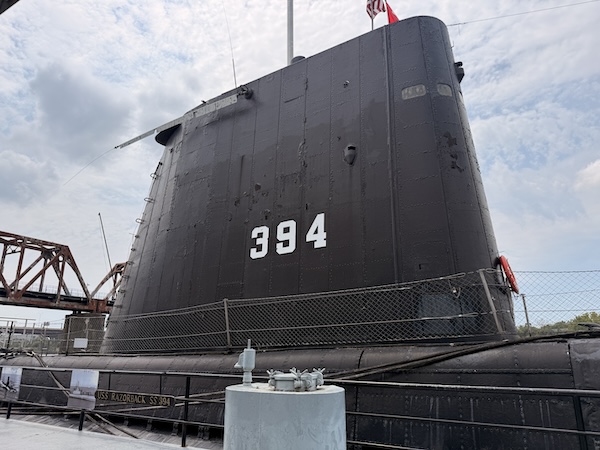
Somewhere on the drive home, it dawned on me. We’d driven hundreds of miles to tour a submarine, but we’d never taken him to see the USS Razorback right here in Arkansas. It was definitely time to change that.
It’s easy to forget that Arkansas is home to one of the country’s most fascinating naval museums.
You might be surprised to learn that a submarine and a tugboat with stories that span World War II, the Cold War and beyond float along the banks of the Arkansas River in North Little Rock. The Arkansas Inland Maritime Museum is home to these two remarkable and historic naval vessels. It isn’t a large museum, but that’s part of its charm. The experience is personal, and visitors don’t just look at history – they climb aboard and explore it.
The museum’s centerpiece is the USS Razorback (SS-394), a Balao-class submarine commissioned in 1944. During World War II, she completed five patrols in the Pacific and was one of the submarines present in Tokyo Bay when Japan formally surrendered aboard the USS Missouri on September 2, 1945. She later served through the Cold War before being decommissioned in 1970.
After leaving U.S. service, the submarine began a second career with the Turkish Navy as TCG Muratreis (S-336). She served for nearly 30 years, taking part in NATO exercises and military operations before retiring in 2001.
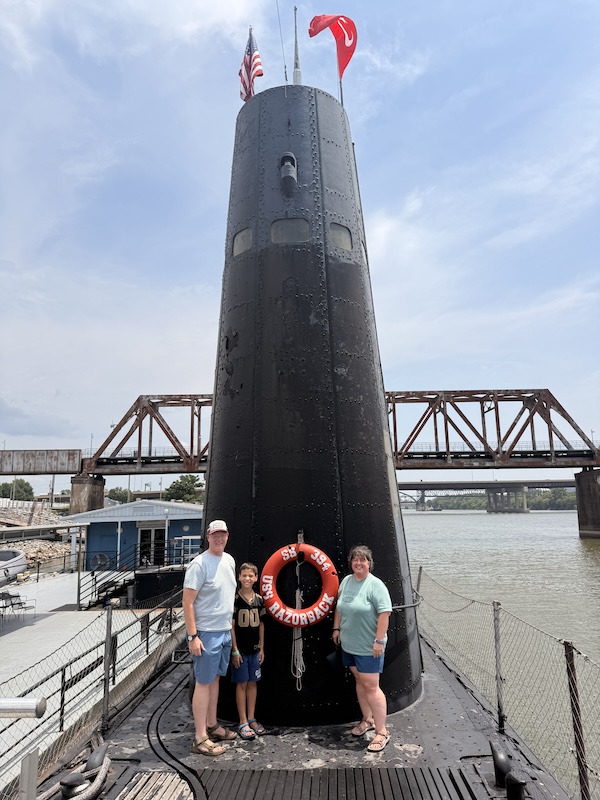
That’s also why you’ll notice both the American and Turkish flags flying above the submarine today. They represent the two nations that called this remarkable vessel their own during more than 56 years of active service.
In 2004, the city of North Little Rock purchased the Razorback from Turkey for $37,500. Before the submarine left Turkey, its onboard batteries were sold for about the same amount, essentially covering the purchase price of the boat itself.
Bringing the submarine to Arkansas wasn’t a simple task.
Of course, getting a submarine halfway around the world isn’t cheap. It cost roughly $750,000 to tow the Razorback across the Atlantic, through the Gulf of America and up the Mississippi and Arkansas rivers before she finally reached her new home. Private donations helped cover most of the costs.
One thing that makes the USS Razorback especially unique is how much of the submarine still works. According to the museum, about 90 percent of its original systems remain operational and are checked regularly by volunteers.
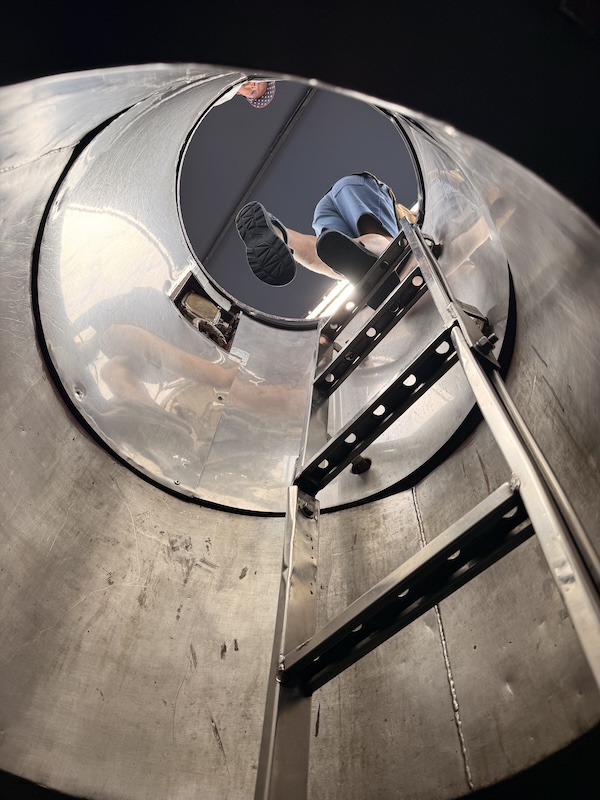
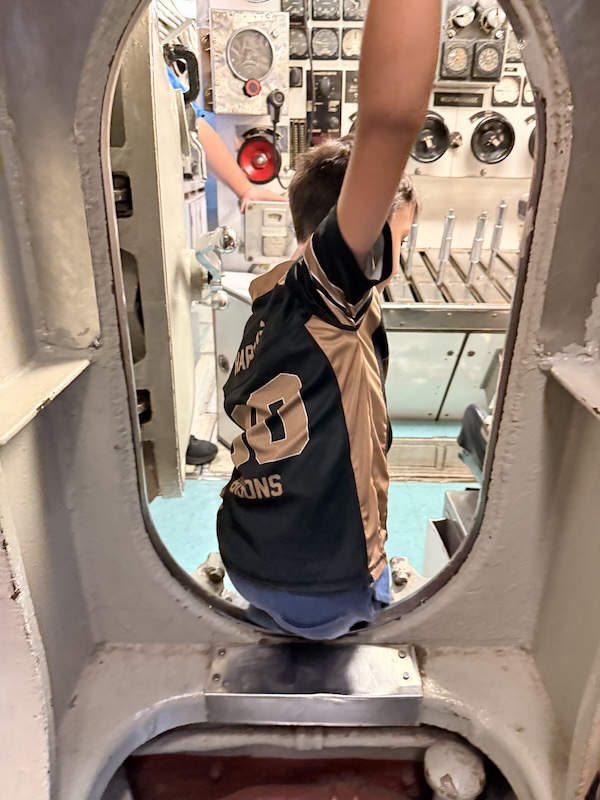
You notice that authenticity the moment you step inside. The pipes, gauges, valves, bunks, and controls are all still there. As you squeeze through narrow passageways and climb between compartments, it doesn’t take long to appreciate what daily life was like for the 80-85 sailors who served aboard her.
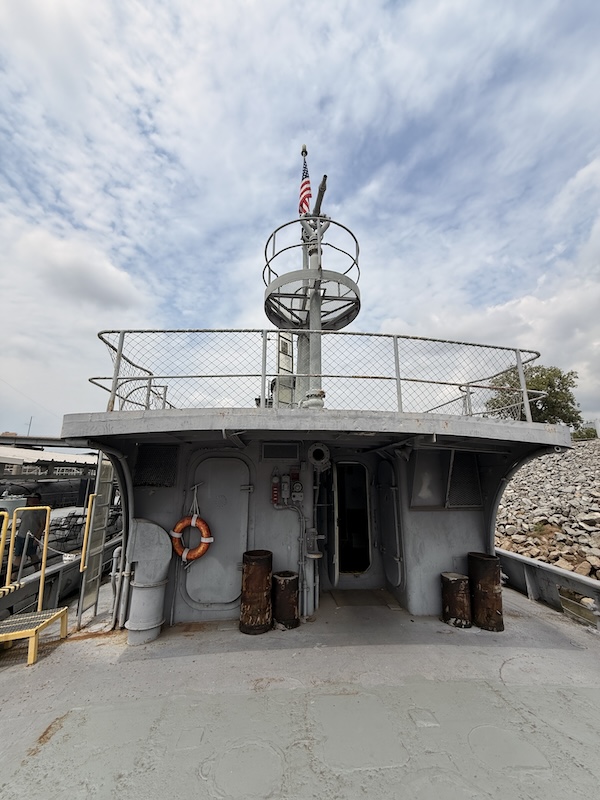
While the submarine understandably draws most of the attention, another important part of the museum is the USS Hoga, the tugboat docked beside the submarine.
On December 7, 1941, the Hoga was working in Pearl Harbor when the Japanese attack began. Instead of fleeing, her crew spent hours fighting fires, rescuing sailors and towing damaged ships away from danger. Their work continued for days after the attack, earning the crew and the vessel praise from Admiral Chester Nimitz himself.
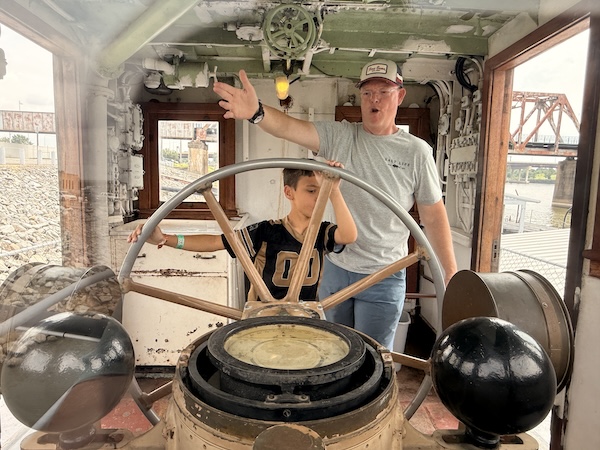
After the war, the Hoga served for decades as a fireboat in the Port of Oakland in California before finding a permanent home in Arkansas. Today, she’s one of the few surviving vessels that was actually present during the attack on Pearl Harbor.
Our trip to Alabama reminded us how memorable it can be to walk through history. It also reminded me that sometimes those experiences are much closer to home than we realize.
If you’ve never toured the Arkansas Inland Maritime Museum, it’s well worth the trip. And I’d like to offer a special thank you to our tour guide, Ryan, who made the experience incredible. Whether you’re interested in military history, looking for a unique family outing or simply want to experience a different side of Arkansas, climbing aboard the USS Razorback is something you won’t soon forget.
More Arkansas Military History Sites


We do the work.
You check your email.
Sign up for our weekly e-news.
Get stories sent straight to your inbox!


Like this story? Read more from Julie Kohl
The teacher in me is always looking for ways to sneak a little learning...
Walk through almost any old cemetery in Arkansas and it is easy to focus...
Tennessee and Mississippi get most of the attention when people talk...
Join the Conversation
Leave a Comment