






Uh oh...
It appears that you're using a severely outdated version of Safari on Windows. Many features won't work correctly, and functionality can't be guaranteed. Please try viewing this website in Edge, Mozilla, Chrome, or another modern browser. Sorry for any inconvenience this may have caused!
Read More about this safari issue.

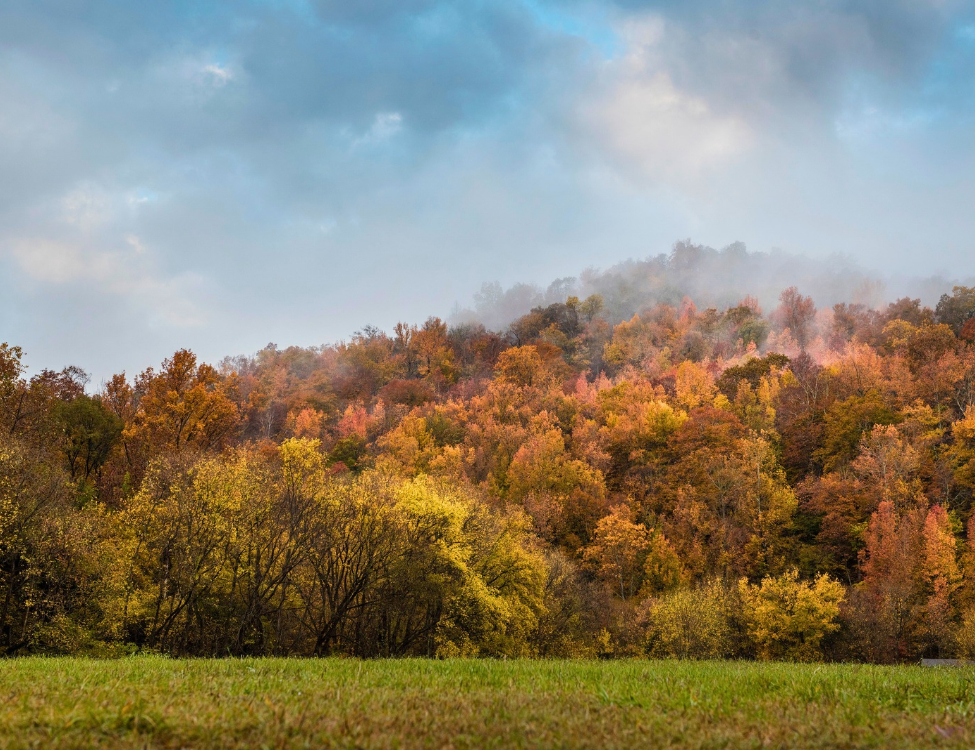
Something about the Ozark Mountains in autumn invites a touch of mystery. Maybe it is the fog settling in the valleys, the changing leaves obscuring familiar trails, or the quiet that falls as the sun slips behind the bluffs. Anyone who has camped a night along the Buffalo River knows how quickly a beautiful landscape can turn eerie as darkness falls.
It is the kind of place a novelist might dream up for a suspense thriller. Except sometimes, the most extraordinary stories are the ones that happened in reality.
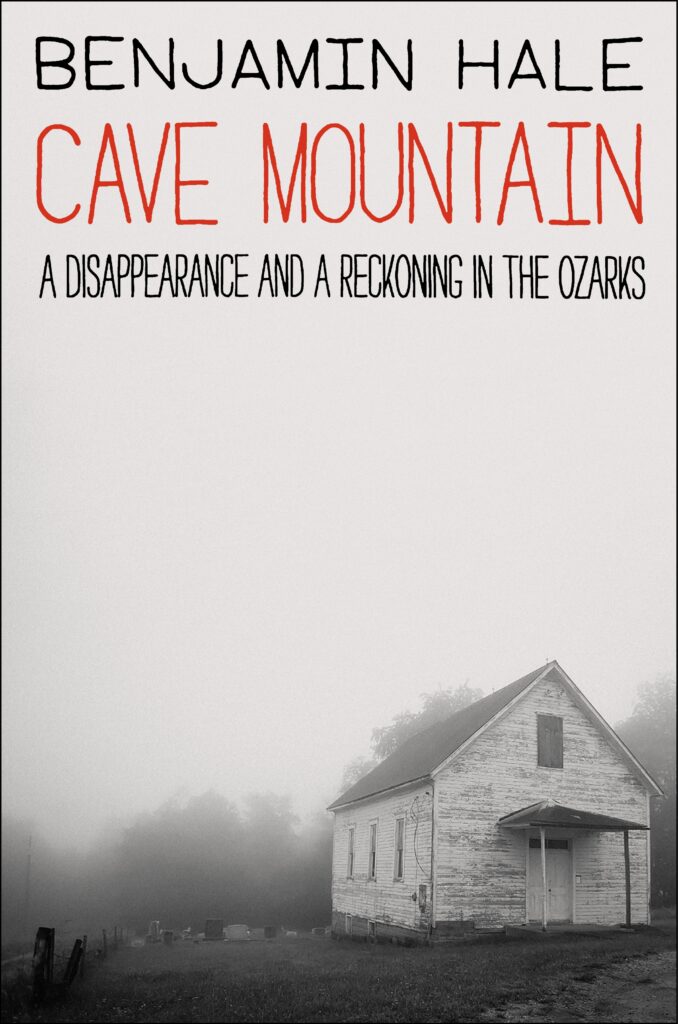
In his 2026 nonfiction book, Cave Mountain: A Disappearance and a Reckoning in the Ozarks, author Benjamin Hale revisits a terrifying event in his family’s history: the 2001 disappearance of his six-year-old cousin, Haley Zega, in the Buffalo River wilderness.
What begins as an account of a little girl lost in the mountains becomes a story of survival, an Arkansas community’s determination to bring her home and an unusual discovery that sends Hale searching through decades of Ozark history.
For readers who know these mountains, the setting is familiar. But the story may make you see those familiar places a little differently.

The Disappearance | A Little Girl Lost on Cave Mountain
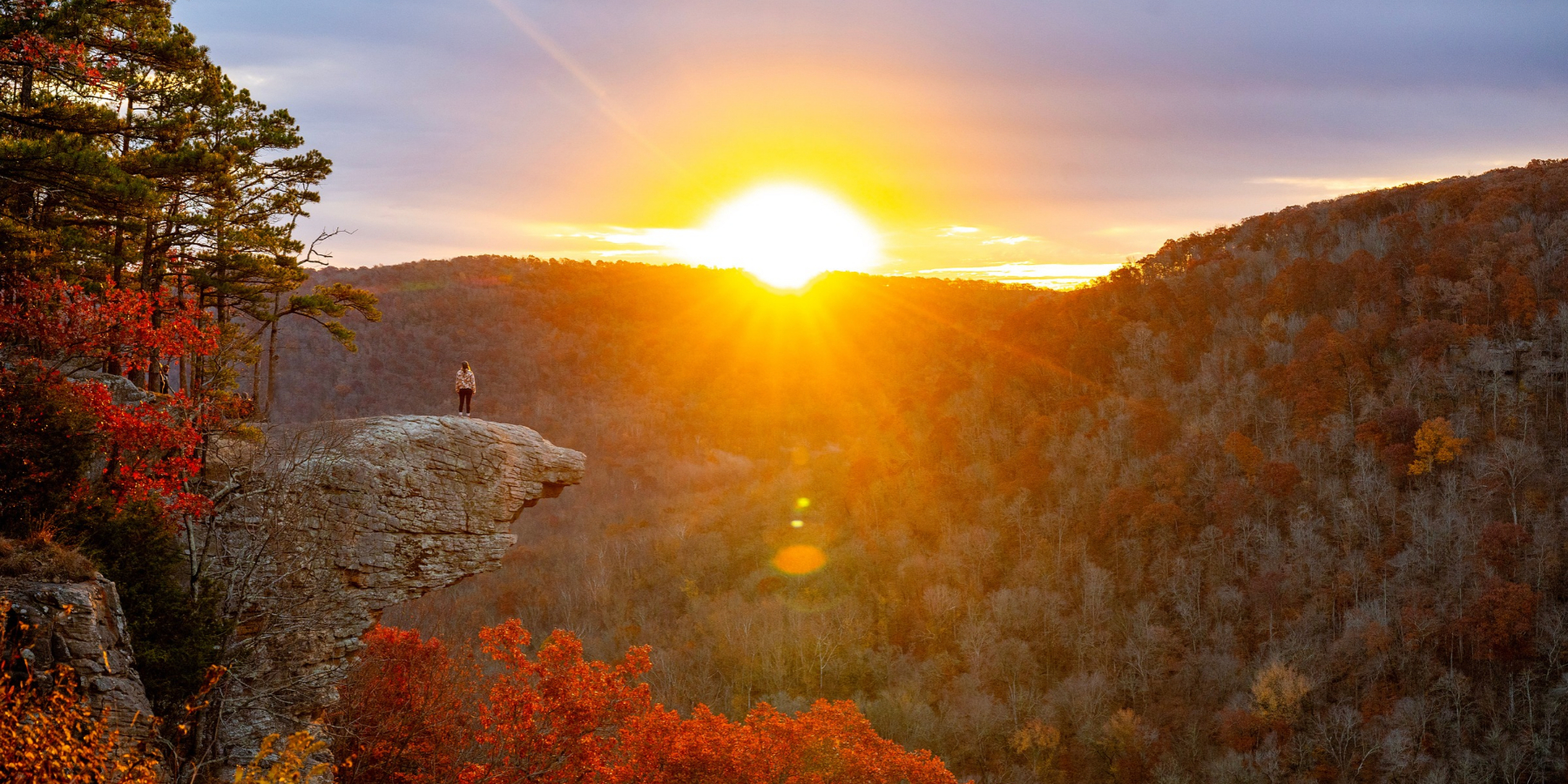
On Sunday, April 29, 2001, six-year-old Haley Zega joined her grandparents, Jay and Joyce Hale, and family friends on a hike near Hawksbill Crag in Newton County.
What began as a spring afternoon spent exploring the Ozark Mountains quickly became a family’s worst nightmare. Haley became separated from the group on the trail. When she tried to find her way back, she moved farther into the rugged wilderness surrounding Cave Mountain.
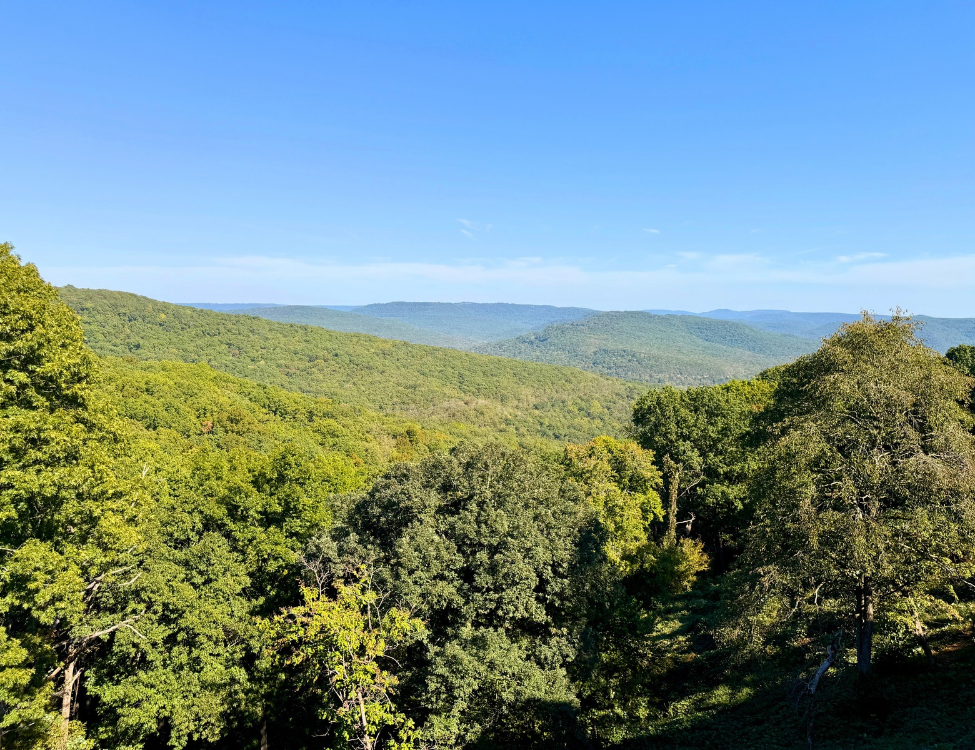
The landscape was unforgiving. Towering bluffs, steep slopes, dense forests and rocky terrain made navigation difficult even for experienced hikers. For a kindergartner alone in unfamiliar woods, every step was dangerous.
As word spread that Haley was missing, hundreds of volunteers joined law enforcement officers, rescue teams, and emergency personnel. Helicopters searched from above while tracking dogs and ground crews worked through the dense forest. The search became one of the largest rescue operations in Arkansas history, with approximately 30 agencies involved at its peak.
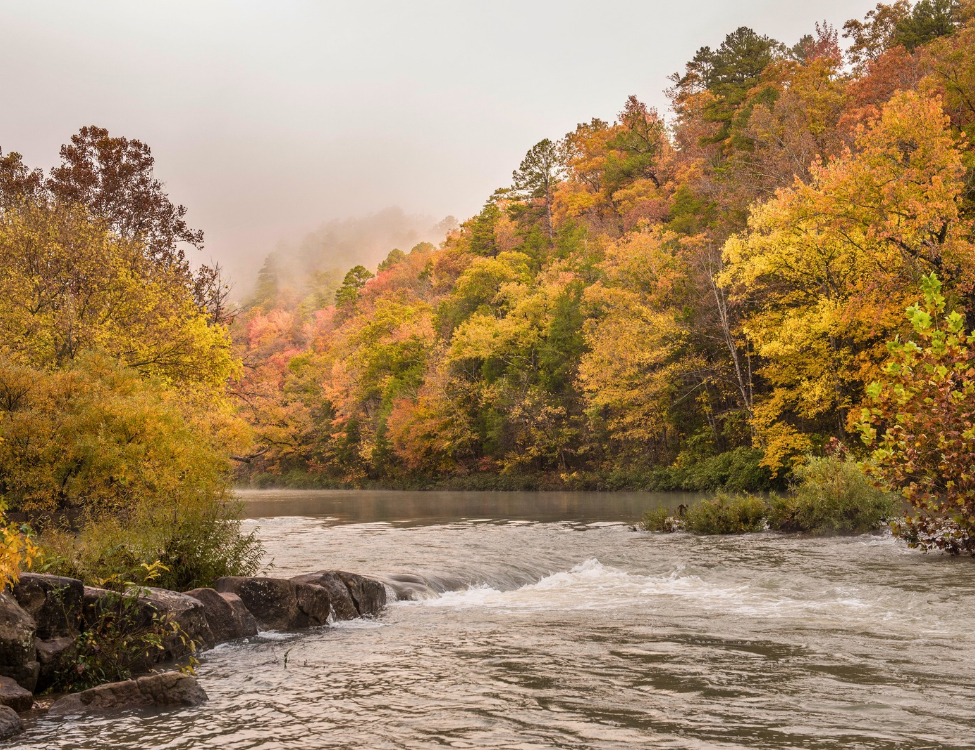
But while searchers focused on the mountain, Haley had found her way down to the Buffalo River.
“My plan was: rivers always eventually lead to a bridge or civilization,” Haley later recalled. She believed that following the water would lead her to a road, a gas station and a way to call her parents. For two nights, she survived alone in the wilderness, spending one night on a rock in the river and the other in a cave.
The Wonder | Haley Is Found
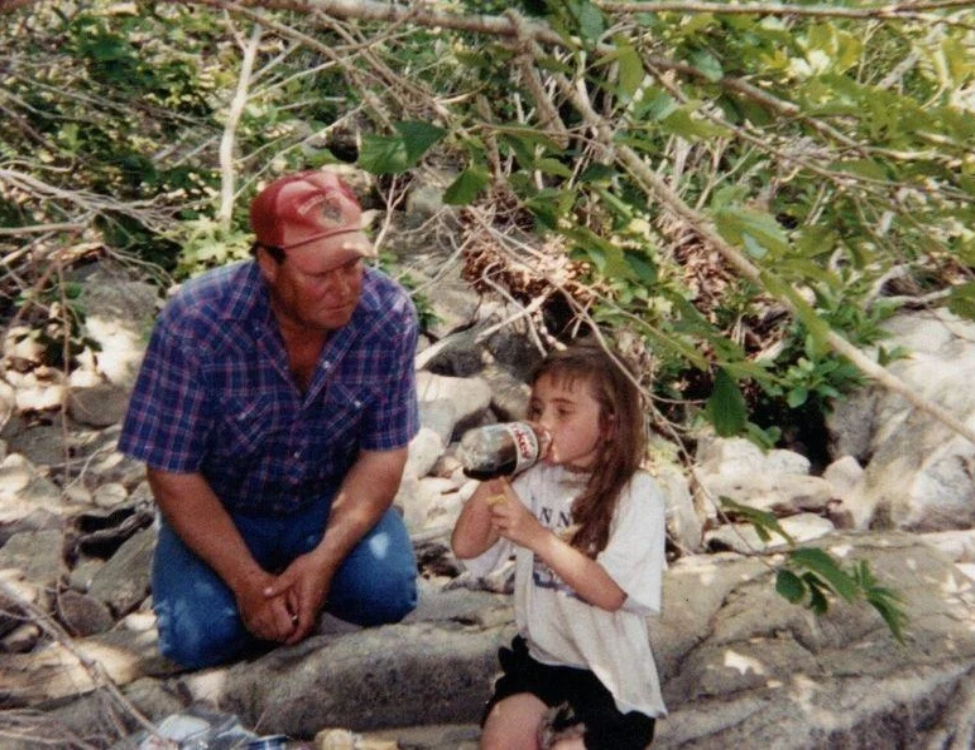
Two days later, local men William Jeff Villines and Lytle James searched the river corridor on their mules, Copper and Big Momma. Their familiarity with the mountains led them to an area other searchers had not yet searched for Haley.
Along the Buffalo River, they spotted the missing little girl. After nearly three days and two nights in the wilderness, Haley was alive.
The rescue was extraordinary. She was hungry, dehydrated and exhausted, yet she had survived an experience that could have ended tragically.
For her family, the relief was overwhelming. For the hundreds of Arkansans who had devoted their time, equipment and energy to the search, it was a moment of celebration. No one received a personal reward for joining the search. People came because they had heard that a little girl was missing and wanted to bring her home.
Today, Haley is a thriving adult, a performer and speaker who shares her experience through the lens of resilience and gratitude. Rather than letting those frightening days define her relationship with nature, she still finds joy in the outdoors.
The Connection | A Mystery That Would Not Go Away
The rescue could have been the end of the story, but something Haley shared afterward left her family with questions. While in the woods, Haley said an imaginary friend named Alecia had accompanied her.
She described a four-year-old girl with long, dark hair who carried a flashlight, told stories, played games, and helped her find a safe route down the mountain toward the river. Haley has consistently explained that she understood she was physically alone, yet she remembers this companion’s comforting presence throughout her experience.
Months later, the account reached Tim Ernst, a renowned Arkansas wilderness photographer and author, and a family friend who knew the Buffalo River landscape intimately. He recalled another tragic story from more than two decades earlier involving a young girl in the same wilderness.
That recollection prompted Haley’s grandmother, Joyce, to begin researching the earlier incident. Through old records, personal connections and conversations with those involved, she uncovered a history that raised even more questions.
Over time, an unlikely friendship developed between Joyce and the mother of the child who had died in the earlier tragedy. For the two women, the possibility that their daughters’ and granddaughters’ stories might be connected became a way to process grief, guilt and gratitude.
Was Haley’s imaginary companion connected to that earlier child? Was it coincidence, imagination or something no one could fully explain?
No established evidence supports a supernatural connection. But the questions themselves became part of the story. For Benjamin Hale, they opened the door to something far larger than a childhood memory. As he researched, the story unfolded, drawing him deeper into the darkened Ozarks.
The Buffalo River | A Backdrop Too Perfect to Invent
If someone handed a novelist the setting for Cave Mountain, it might seem almost too convenient.
A young girl vanishes on a mountain trail. Searchers comb the woods for days. She survives near a remote river. Years later, an old story resurfaces from the same landscape, raising questions about memory, history and what people believe.
Yet the mountains are real. The people are real. The rescue happened. Hale understands the power of this setting because Arkansas has been part of his life since childhood.
Although he grew up in Colorado, both sides of his family were from Arkansas. Holidays and summers often brought him back to the state, including time at his aunt and uncle’s wooded property near Pea Ridge, affectionately known as Hale Holler.
There, he explored creeks, caught crawdads, and learned about the natural world from family members who knew and appreciated the Ozarks. That familiarity shaped his approach to Cave Mountain.
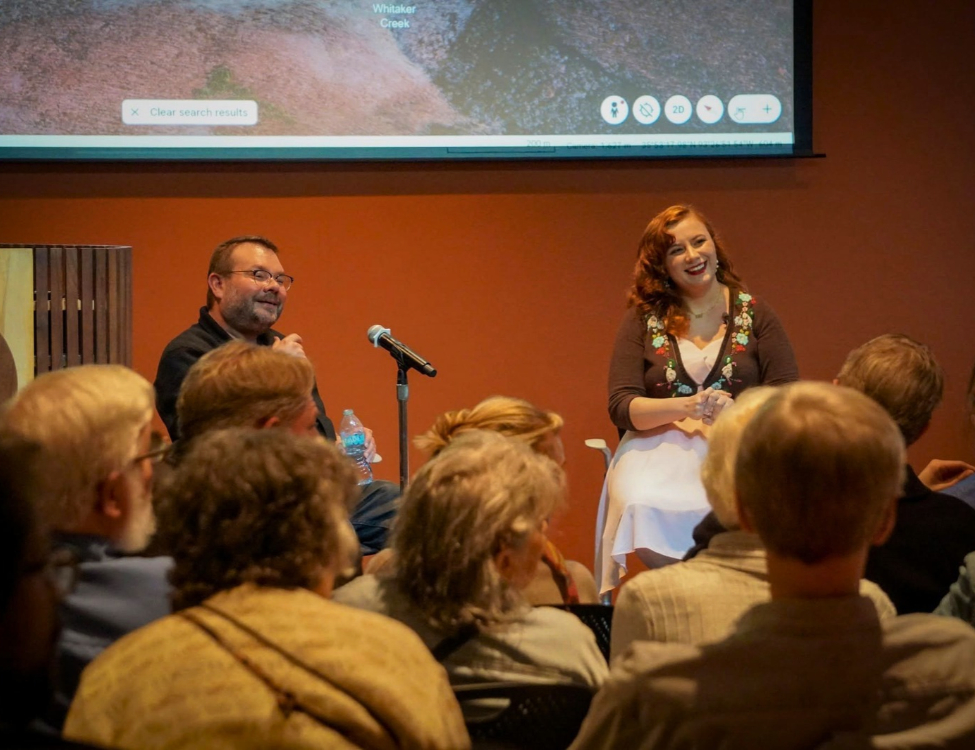
During our interview, Hale described how challenging it can be to explain Arkansas’s physical landscape to readers unfamiliar with the state. Sometimes he pulls up satellite imagery to show audiences the steep terrain, remote valleys and the sheer distance between the mountain trails and the river below. Suddenly, the danger becomes easier to grasp.
For Arkansans who have stood at Hawksbill Crag, driven the winding roads near Jasper, or watched the Buffalo River disappear around a bend, the landscape needs little explanation. We know how beautiful these mountains are. We also know how quickly they can humble us. That familiarity makes the story more compelling.

Benjamin Hale | Following the Story Through Arkansas
For much of his career, Benjamin Hale has been known for fiction, including his novel The Evolution of Bruno Littlemore and short story collection The Fat Artist and Other Stories.
But in December 2022, he began researching a story much closer to home. More than two decades after the disappearance, he began interviewing Haley, her parents, her grandparents, search participants and others connected to the events.
His research took him across Northwest Arkansas and Newton County, from conversations with Tim Ernst to old law enforcement records and interviews with people who remembered events decades earlier.
One memorable research stop brought him to the Newton County Sheriff’s Office in Jasper, where he examined handwritten reports from 1978. A lead eventually sent him to a local hardware store, where a former sheriff shared firsthand memories. Those small-town connections became part of the research experience itself.
Hale’s initial work appeared in Harper’s Magazine in August 2023 under the title “Who Walks Always Beside You?” He already recognized that the story could become something larger. The resulting book, published by HarperCollins in March 2026, combines investigative reporting, family memoir, Arkansas history and questions that do not always have simple answers.
A Real Arkansas Story Worth Remembering
Plenty of fictional mysteries are set in isolated cabins, dark forests and mountain valleys. But Cave Mountain offers something different. It invites readers to revisit a real place and consider how geography, memory and personal history shape the stories we tell.
You don’t need to agree with every interpretation or conclusion in the book to appreciate the questions it raises. For Arkansas readers, perhaps its greatest invitation is to look more closely at a landscape we think we already know.
For those who want to explore Haley’s rescue more deeply, Arkansas photographer and author Tim Ernst documented the search in The Search for Haley, offering another perspective on the people and terrain involved.
Explore more:
- Cave Mountain: A Disappearance and a Reckoning in the Ozarks by Benjamin Hale
- Benjamin Hale, author website
- Haley Zega, survivor and speaker
- Who Walks Always Beside You? in Harper’s Magazine
- Tim Ernst, Arkansas wilderness photographer and author
Cover image used with permission of the Arkansas Department of Parks, Heritage and Tourism.


We do the work.
You check your email.
Sign up for our weekly e-news.
Get stories sent straight to your inbox!


Like this story? Read more from Keisha Pittman McKinney
Located along U.S. Highway 71, about eight miles north of Mountainburg,...
There are plenty of places to eat in downtown Eureka Springs, but only a...
Most of us experience the Arkansas Delta through a windshield. We drive...
Join the Conversation
Leave a Comment