







Uh oh...
It appears that you're using a severely outdated version of Safari on Windows. Many features won't work correctly, and functionality can't be guaranteed. Please try viewing this website in Edge, Mozilla, Chrome, or another modern browser. Sorry for any inconvenience this may have caused!
Read More about this safari issue.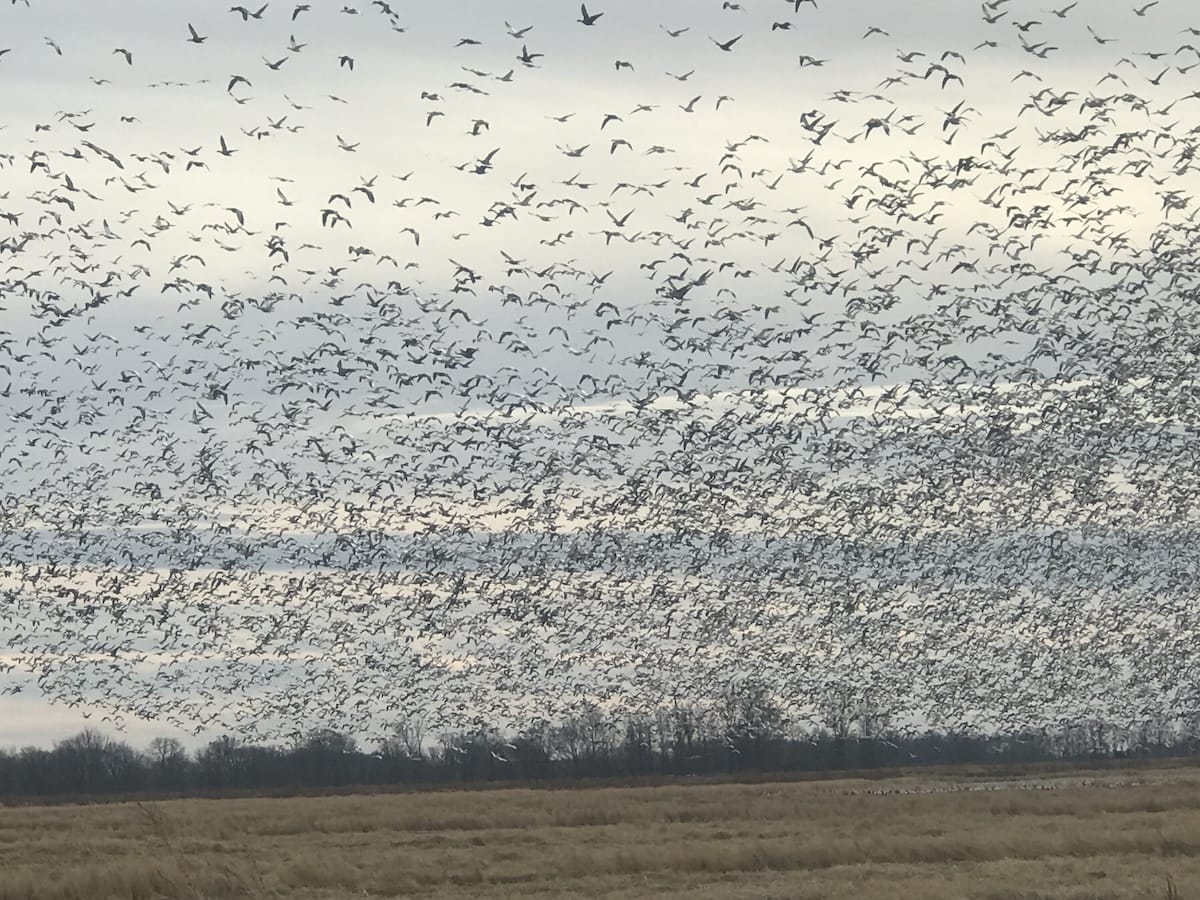

I’ve got spring fever, and watching birds fill the sky as they head north has me positively giddy! Daffodils are in full bloom, the sun seems a little brighter, and those warm days (with cool nights) are perfect for getting outside.
Spring in Arkansas is a magical time for nature lovers as the birds take to the skies. Positioned along the Mississippi Flyway (a major north-south migration route), Arkansas plays host to millions of birds heading to their breeding grounds. In fact, experts estimate that more than 2 billion birds travel through the Mississippi Flyway each spring, many flying right over Arkansas on their way north.
So who’s flying overhead? Let’s explore some of Arkansas’s spring migration highlights from warblers and waterfowl to hummingbirds and even butterflies.
Warblers and Songbirds
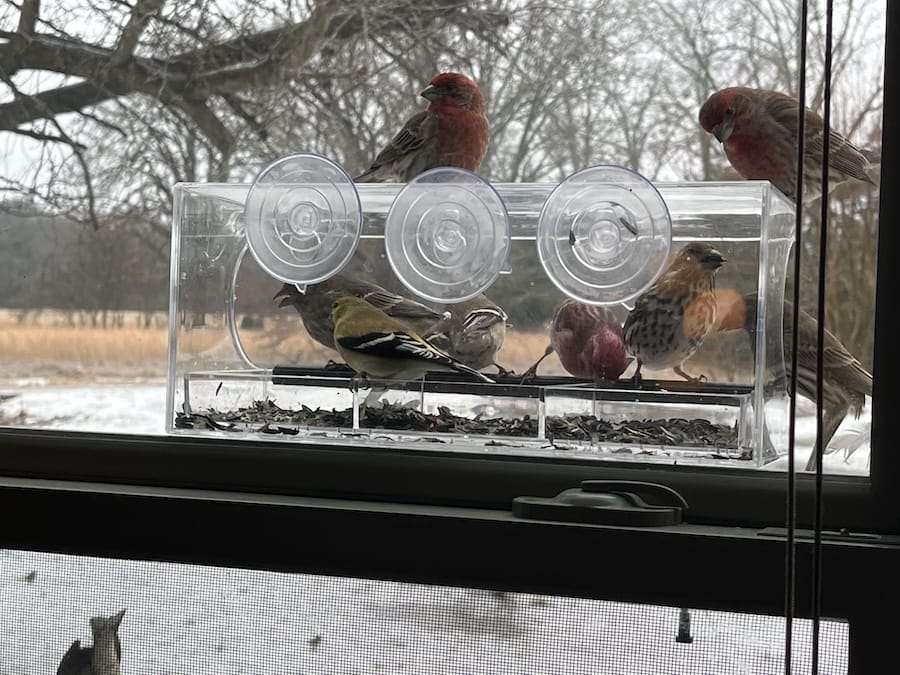
Each spring, Arkansas’s woodlands come alive with songbirds arriving from their tropical wintering grounds. Wood-warblers are among the most abundant migrants: more than 35 warbler species can pass through Arkansas in spring. You’ll also see other songbird travelers like tanagers, vireos, orioles, thrushes and buntings.
The first waves usually reach the state by mid-March, building to a peak around late April and early May. Some especially prized spring sightings include the rose-breasted grosbeak, painted bunting, indigo bunting, and dazzling warblers such as the Wilson’s Warbler and Prothonotary Warbler.
To spot warblers and other songbirds, head for areas with plenty of trees and diverse habitat. Even city parks can become “warbler traps” as migrants drop in to rest and feed. In Little Rock, Allsopp Park and Knoop Park are excellent urban oases for spring migrants. The Bell Slough Wildlife Management Area near Conway is another favorite. In the Ozark and Ouachita Mountains, try hiking trails at parks like Devil’s Den State Park or Mount Magazine, where mixed forests attract a variety of passing songbirds.
Waterfowl and Water Birds
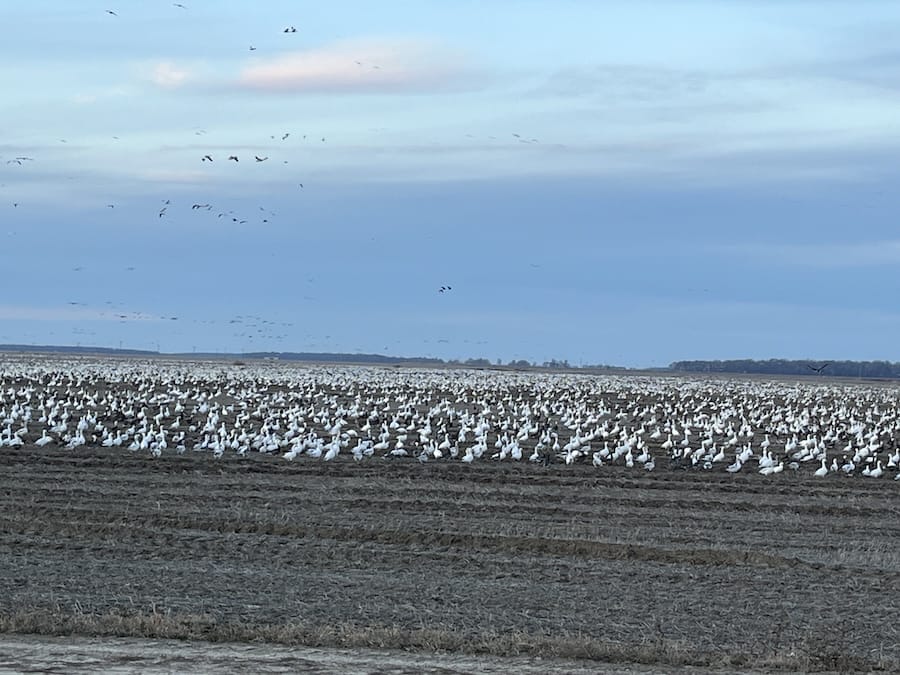
While songbirds fill the woods, Arkansas’s lakes and wetlands are teeming with ducks, geese, swans, and pelicans during spring migration. The Arkansas Delta is well-known for its waterfowl, hosting the world’s largest wintering population of mallard ducks. Each winter, hundreds of thousands of ducks and geese gather in eastern Arkansas’s wetlands and flooded fields becoming a duck hunter’s paradise. Come spring, these waterfowl begin heading north to breed, giving birdwatchers a last chance to witness huge flocks before they depart.
Major waterfowl concentrations in eastern Arkansas (part of the Mississippi Flyway) start thinning out by late February and into March. If you visit places like White River National Wildlife Refuge or the Delta’s rice fields in early spring, you might witness “blizzards” of snow geese or clouds of mallards taking off at dawn.

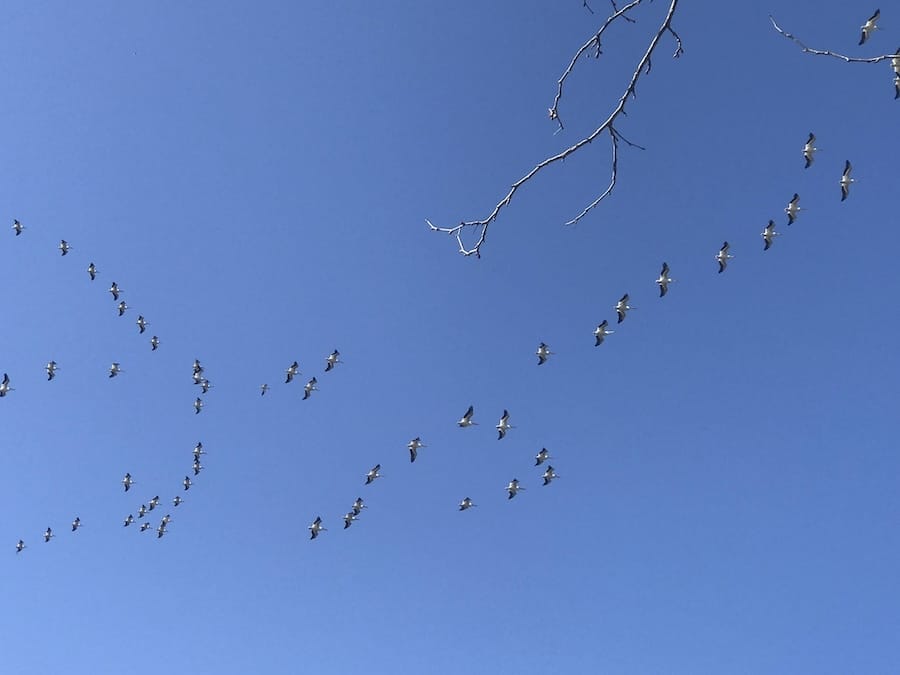
Spring migration isn’t only about ducks and geese. Arkansas also lies in the path of American white pelicans, herons, egrets and other water birds. For example, flocks of American white pelicans spend winter on southern lakes and then glide north on warm thermals in March and April. It’s quite a sight to watch a squadron of these big birds silently soaring in formation above an Arkansas river. Huge wading birds like the great blue heron and great egret migrate as well, although many will stay to nest in Arkansas’s swamps and rookeries.
And we can’t forget the swans! Since the 1990s, Trumpeter Swans have been wintering at Magness Lake and the Hiram Road ponds near Heber Springs, drawing crowds of admirers. These majestic birds, once rare in Arkansas, arrive around Thanksgiving and stay until mid-February, when they head north to their breeding grounds.

Hummingbirds
When it comes to migration feats, few creatures can top the ruby-throated hummingbird. Each year, these tiny birds, each weighing less than a nickel, fly from Central America across the Gulf of Mexico to reach Arkansas and beyond.
Ruby-throated hummingbirds arrive in Arkansas as early as mid-March and continue trickling in through late April. The first to show up are often famished males, eagerly darting between early-blooming flowers or hummingbird feeders to refuel. By late April, many Arkansas yards come alive with the buzz of these iridescent green dynamos zipping from flower to flower.
Because hummingbirds need frequent nectar meals, they’ll stop wherever food is plentiful. Gardens with native wildflowers such as trumpet vine, bee balm, and salvia are hummingbird magnets. Many Arkansans help by hanging hummingbird feeders filled with sugar water, which is a great way to get a front-row seat to the show. By mid-spring, whether you’re deep in the Ozarks or right in your own backyard, keep an eye out for that flash of emerald and the hum of wings. It’s amazing to realize these tiny travelers have flown hundreds of miles to get here — and some will continue all the way to Canada!
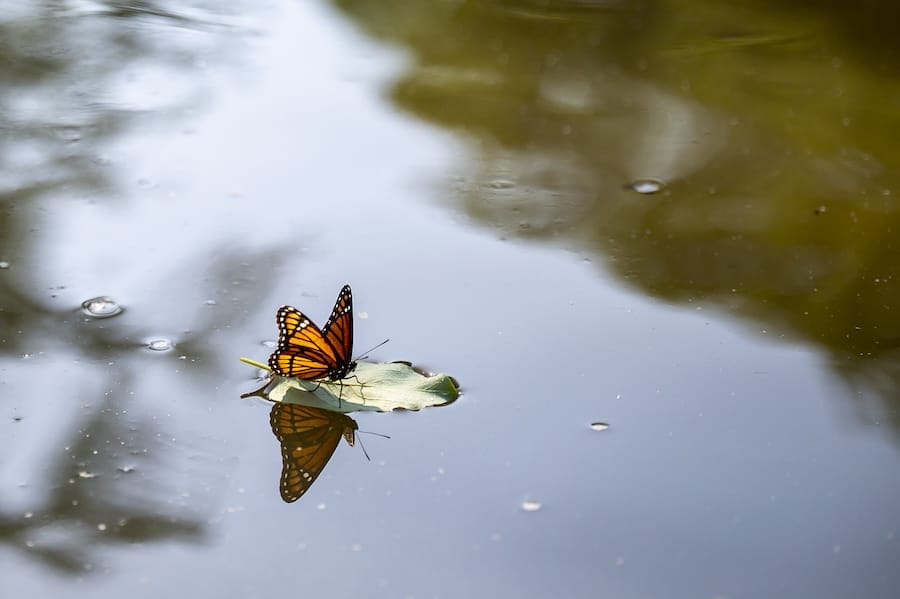
Photo courtesy of Arkansas Department of Parks, Heritage and Tourism.
Butterflies
Birds aren’t the only creatures migrating across Arkansas in spring. Butterflies are on the move as well, and the most famous of them is undoubtedly the monarch butterfly. Monarchs undertake a multi-generational journey from Mexico to Canada and back, and Arkansas lies in the heart of their migratory path. Our state provides crucial habitat for these butterflies to feed and breed on their way north.
Each year, the first monarchs appear here by late March or early April. These early arrivals are actually the offspring of the butterflies that spent winter in central Mexico. They’ll lay eggs on Arkansas milkweed plants, giving rise to a new generation that continues the journey northward. By May, many of those monarch descendants have moved on toward the Midwest, but some stick around and even breed in Arkansas over the summer.
While monarchs get most of the spotlight, they’re not the only butterflies worth watching. Many other species flutter through Arkansas as the weather warms, following nectar sources and breeding cycles. For example, you might spot Red Admirals, Painted Ladies, or Gulf Fritillaries passing through your garden.
Nectar-rich flowers like purple coneflower, milkweed, and asters serve as fuel stations for migrating butterflies, and planting them can attract these winged visitors to your yard. Conservationists encourage Arkansans to grow milkweed and other butterfly-friendly plants to help the monarchs’ journey. If you want a fun seasonal outing, try the Butterflies and Blooms Trail at Lake Charles State Park or visit the Butterfly Garden at the Botanical Garden of the Ozarks — both are great for seeing spring butterflies up close.
Spring migration is one of nature’s greatest spectacles, and it’s happening right here in our own backyard. Whether you’re an avid birder or just someone who enjoys getting outdoors, take some time this spring to appreciate the incredible journeys unfolding above and around you.
If this glimpse into Arkansas’s spring wildlife has you eager for more, be sure to check out our related articles for even more outdoor inspiration!


We do the work.
You check your email.
Sign up for our weekly e-news.
Get stories sent straight to your inbox!


Like this story? Read more from Julie Kohl
After years of camping all over Arkansas, in tents, in RVs, in the...
Long before Hot Springs, Arkansas, became a national destination for...
The stories that tell Arkansas’s history often center around explorers,...
Join the Conversation
Leave a Comment