





Uh oh...
It appears that you're using a severely outdated version of Safari on Windows. Many features won't work correctly, and functionality can't be guaranteed. Please try viewing this website in Edge, Mozilla, Chrome, or another modern browser. Sorry for any inconvenience this may have caused!
Read More about this safari issue.

Arkansas has long been fascinated with outlaws. From Jesse James and Bill Doolin to Belle Starr and her band of frontier rebels, the state’s rugged hills and winding rivers have sheltered more than their fair share of legends. But not all who broke the law were men.
Some of the most fascinating figures in Arkansas history were women who refused to conform to the norms of their time, women who built empires, broke barriers, and lived by their own rules; the bandit queens, bootleggers, and fearless survivors whose stories still echo through Arkansas towns and trails.
Check out our first list of Arkansas Legendary Lawbreakers and the stories left out of the textbooks!

Wild Women from Fort Smith
Few places in Arkansas are more closely linked to outlaw history than Fort Smith. In the late 1800s, the city sat on the edge of the American frontier and served as the center of federal justice for Indian Territory. Under Judge Isaac Parker, the “Hanging Judge,” criminals, fugitives, and lawmen all crossed paths here. Among them were several women whose stories continue to shape Arkansas outlaw lore.
Women connected to Fort Smith’s frontier history include:
Belle Starr – The Bandit Queen of the Ozarks
Known as the “Bandit Queen,” Belle Starr was both a Southern belle and an outlaw legend. Born Myra Maybelle Shirley in 1848, she grew up near Carthage, Missouri, where her family’s farm was caught up in the chaos of the Civil War. Bold and unashamed of her outlaw ties, Belle associated with Jesse James and the Younger brothers, and she married fellow bandit Sam Starr.
She dressed flamboyantly, rode sidesaddle with a pistol at her hip, and earned a reputation as one of the few women to gain respect in a man’s world of horse thieves and fugitives. In 2025, the Fort Smith Museum of History received the Belle Starr collection from Carthage, MO, and the exhibit opened to the public in June.
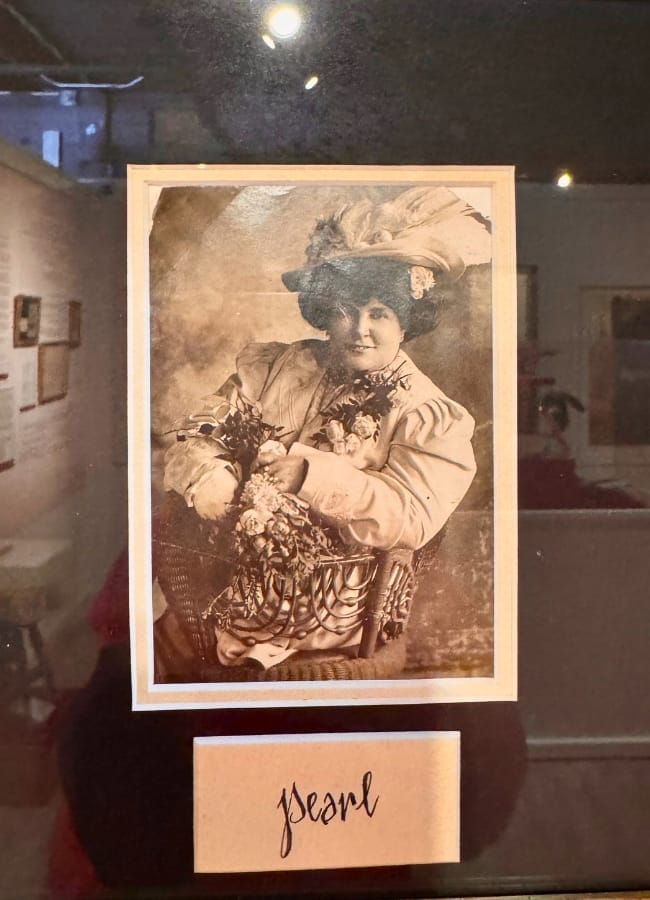
Pearl Starr – The Madam of Fort Smith
Carrying on her mother’s legacy in her own rebellious way, Pearl Starr turned notoriety into a business, using her entrepreneurship to run several brothels in Fort Smith and later Hot Springs.
Known for her sharp wit and business sense, Pearl was among the first women to obtain a business license in Fort Smith, managing her establishments with both intelligence and style. Although society looked down on her profession, she was known for being kind to her employees and generous to those in need, often donating to local charities and churches.
Laura Bullion – The Rose of the Wild Bunch
Elegant, dangerous and unpredictable, Laura Bullion rode with Butch Cassidy’s Wild Bunch, the same gang that made Jesse James a household name. Born in Texas but roaming through western Arkansas during her outlaw years, she served as a courier, forger, and disguise expert for the gang.
Known as the “Thorny Rose,” Laura combined charm and cunning to hide stolen money and avoid Pinkerton agents. She serves as a link between the dying days of the outlaw frontier era and the rise of a more modern criminal age.
Where You Can Explore Their Stories
Visitors interested in Arkansas’s history can explore the Fort Smith National Historic Site, where Judge Parker’s courtroom and reconstructed gallows depict the frontier justice era. Nearby, Miss Laura’s Visitor Center, a restored brothel in the Belle Grove Historic District<link to fortnightly club article>, provides insight into the city’s lively and storied past.

Wild Women from Hot Springs
In the early 20th century, Hot Springs built a reputation as one of the most notorious vice capitals in the American South. While visitors came for the healing waters of Bathhouse Row, others arrived seeking gambling, bootlegging, and nightlife that flourished behind closed doors during Prohibition.
Women tied to Hot Springs’ vice-era history include:
Kathryn “Ma” Kelly – The Brains Behind Machine Gun Kelly
Born Kathryn Thorne in 1897, “Ma” Kelly was the strategic force behind one of the most notorious Prohibition-era gangsters in the country. She and her husband, George “Machine Gun” Kelly, became symbols of 1930s organized crime after planning the kidnapping of oil tycoon Charles Urschel.
While George earned the nickname, Kathryn gained the reputation, reportedly creating the “machine gun” image to boost their notoriety. Sharp, manipulative and fiercely ambitious, she navigated the criminal underworld and devised schemes that ultimately led to both serving life sentences.

Louella “Lulu” Markham – The Bootleg Queen of Hot Springs
In the 1920s and ’30s, Hot Springs was the South’s vice capital, and Lulu Markham thrived amid its smoky, neon-lit scene. Known as the “Bootleg Queen,” she ran speakeasies, gambling halls and brothels during Prohibition, confidently and charmingly outsmarting the authorities.
Lulu’s story uncovers a subtler form of rebellion, not through gunfights and bars but through secret deals and bathtub gin. She turned survival into elegance, building an empire in a town that quietly looked the other way.
Vivian Gordon – The Scandal That Exposed a Corrupt System
Born in Chicago in 1897, Gordon navigated a world of prostitution, bootlegging and organized crime during Prohibition, including the gambling halls of Hot Springs, Arkansas and the criminal underworld of New York City. Her connections eventually brought her into contact with influential political and criminal figures, and in 1931, she was found murdered in Van Cortlandt Park in the Bronx.
The shocking case ignited one of the largest corruption probes in New York history, exposing strong ties between organized crime and city officials. Although her life was cut short violently, Vivian Gordon became a crucial figure in uncovering a corrupt political machine and the secret activities of the Spa City hideouts used by organized gangs.
Where You Can Explore Their Stories
Today, visitors can explore this vibrant chapter of Arkansas history at the Gangster Museum of America, which tells the stories of mobsters, gamblers, and other infamous figures who once roamed these streets. Walking along Central Avenue, exploring the Arlington Hotel and Bathhouse Row provides a glimpse into the era when Hot Springs quietly welcomed characters from the nation’s criminal underworld.
Other Wild Women with Arkansas Roots
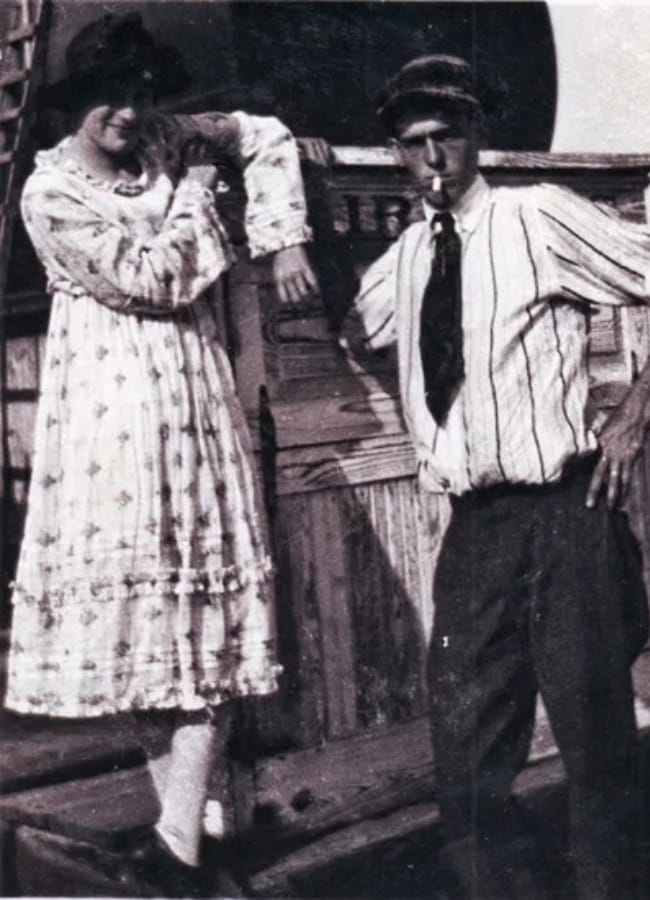
Not every rebellion story took place in Arkansas cities. Some of the most powerful stories started in rural areas and river towns that influenced daily life throughout the state. From the Arkansas Delta to the Ouachita Mountains and Ozark foothills, these women became part of stories that combined hardship, justice and survival.
Women whose stories are rooted in Arkansas communities include:
Helen Spence – The Killer Bride of the Delta
Born in 1912 along the White River in Arkansas County, she was the daughter of poor riverboat people known as “river rats.” When her father was murdered, and his killer was acquitted, Helen walked into the DeWitt courtroom wearing her Sunday dress, pulled a pistol from her handbag, and shot the man dead before the jury.
She became both a symbol of vigilante justice and a tragic victim of desperation during the Great Depression. Her later years involved repeated imprisonments, escape attempts and a violent death at only 23 years old. Helen’s story remains a haunting reflection on poverty, power and justice.
More about her life can be found here. And a book about her is detailed here.

Bonnie Heady – The Woman Behind a National Scandal
Though born in Missouri, Bonnie Heady’s connection to one of America’s most shocking crimes involves her journey through the Arkansas Ozarks. In 1953, she and her partner Carl Hall kidnapped and murdered six-year-old Bobby Greenlease in Kansas City, an act that horrified the nation and resulted in one of the first televised criminal trials.
Bonnie’s role blurred the line between victim and villain. Struggling with addiction, she was drawn into a scheme she couldn’t control. The pair’s attempt to escape through northern Arkansas failed, and both were executed in the same year. Her story marks a dark turning point in American true crime, when the romanticism of the Old West faded into the cold brutality of modern criminality.
Cora Hubbard – The Woman Behind the Mammoth Spring Bank Robbery
In 1897, Cora Hubbard became one of the few women involved in a bank robbery during the waning days of the Old West. Born in Missouri, Hubbard was connected to a group of outlaws operating along the Arkansas-Missouri border. Their target was the Bank of Mammoth Spring, a small financial institution serving the railroad town in northern Arkansas.
Early newspapers sensationalized the story, claiming Hubbard disguised herself as a man to help carry out the robbery, although historians debate how much of that story was true and how much was frontier myth. What is certain is that her involvement shocked the public and brought a rare female name into the outlaw headlines of the 1890s.
The Wild Women of the Natural State, fighting their own battles in a world which rarely gave them a choice, are part history, part myth and entirely unforgettable.


We do the work.
You check your email.
Sign up for our weekly e-news.
Get stories sent straight to your inbox!


Like this story? Read more from Keisha Pittman McKinney
Pancakes and Lent have long been connected. Around the world, churches...
When most people think about historic Fort Smith, they picture the...
When you walk down a brick-lined street in a small Arkansas town, have...
Join the Conversation
Leave a Comment