





Uh oh...
It appears that you're using a severely outdated version of Safari on Windows. Many features won't work correctly, and functionality can't be guaranteed. Please try viewing this website in Edge, Mozilla, Chrome, or another modern browser. Sorry for any inconvenience this may have caused!
Read More about this safari issue.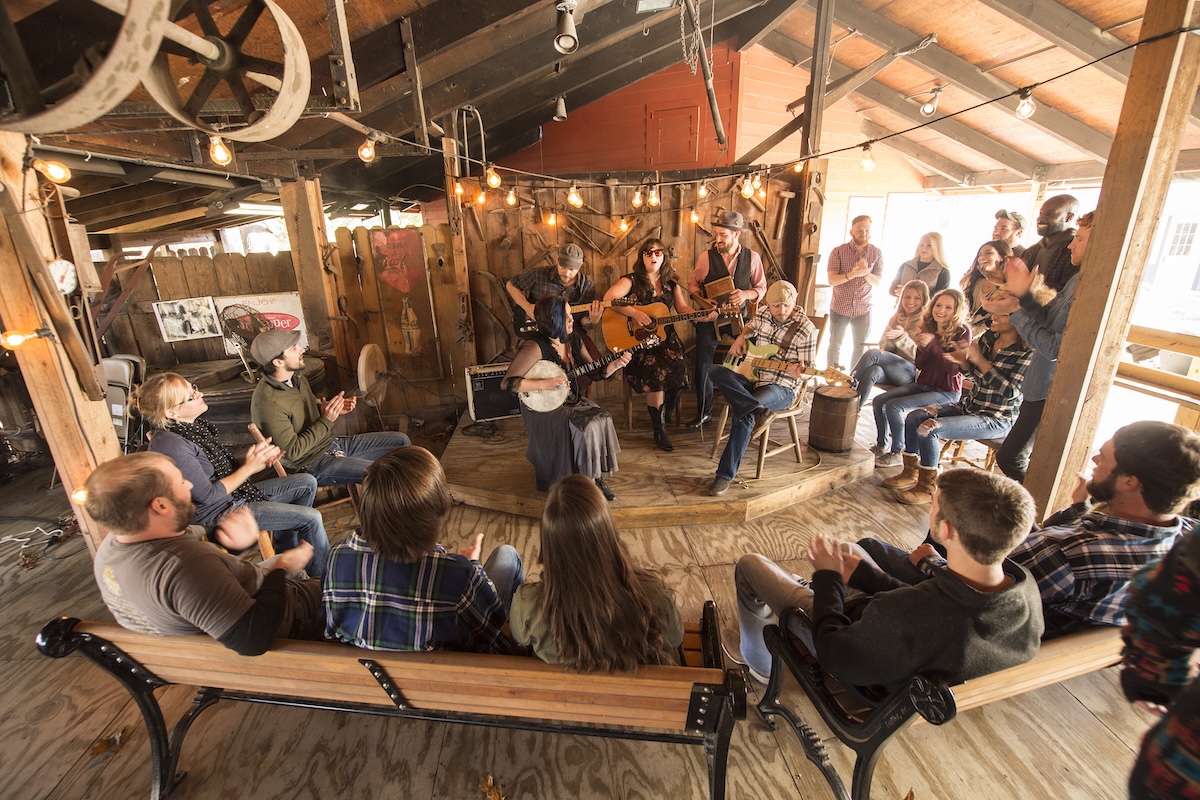

Tennessee and Mississippi get most of the attention when people talk about American music, but Arkansas keeps showing up in the story. Johnny Cash grew up working in the cotton fields in Dyess. Sister Rosetta Tharpe was born in Cotton Plant decades before her electric guitar helped shape rock and roll. Louis Jordan came from Brinkley, Levon Helm from Turkey Scratch and Jimmy Driftwood from the Ozarks.
The music itself came from all over. Gospel filled churches, blues traveled through the Delta and old folk songs were passed down in the mountains. Radio stations carried those sounds farther, while clubs, school gyms and dance halls gave musicians places to play. By the 1950s, Elvis Presley, Johnny Cash, Jerry Lee Lewis and Conway Twitty were among the young performers traveling Highway 67 through Northeast Arkansas.
Much of that music history can still be explored today through museums, historic theaters, radio stations and communities that haven’t forgotten their musical roots. Here are 10 places to start.

Photo courtesy of Arkansas Department of Parks, Heritage and Tourism.
1. Ozark Folk Center State Park and Mountain View
Arkansas music didn’t begin in a recording studio. In the Ozarks, people passed songs and tunes from one generation to the next, often learning them simply by listening to someone else play. Settlers brought musical traditions from Europe and the Appalachian Mountains, and those sounds changed over time as they mixed with gospel, fiddle music and stories from life in the Ozarks.
Mountain View became one of the places where people worked intentionally to keep those traditions alive. Musicians and folklorists such as Jimmy Driftwood and Almeda Riddle collected, performed and shared old songs at a time when many feared they would disappear. That preservation effort eventually helped lead to the opening of the Ozark Folk Center State Park in 1973.
Music remains central to the park, but you don’t have to stay inside its gates to hear it. Musicians still gather around the courthouse square and other spots in Mountain View for informal picking sessions. That’s what makes Mountain View such a good place to begin this story. Traditional Arkansas music isn’t simply displayed here. People are still playing it.
Read more on OnlyInArk: Music Roots Keeps Mountain View’s Folk Heritage Alive | Ozark Highlands Radio: Folk Music for the World
2. Delta Cultural Center and King Biscuit Time | Helena
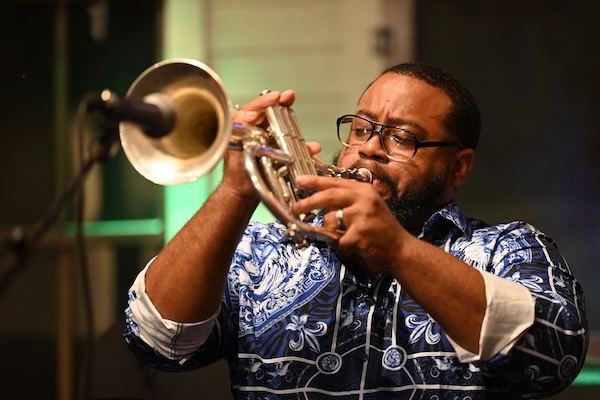
Cross the state from the Ozarks into the Delta and the landscape changes, along with the music. By the early 20th century, blues music had become an important part of life throughout the Mississippi Delta, and Helena developed into one of the region’s musical centers.
Radio helped extend its reach. In 1941, KFFA began broadcasting King Biscuit Time, a lunchtime blues program featuring Sonny Boy Williamson II and Robert Lockwood Jr. Farm workers listened in the fields and families tuned in at home, but young musicians were listening too. The program helped spread Delta blues throughout the region and became one of the longest-running daily radio programs in American history.
The Delta Cultural Center in downtown Helena tells that story through exhibits devoted to the people, places and music of the Arkansas Delta. Helena’s blues tradition also continues each fall with the King Biscuit Blues Festival, which brings musicians and fans back to the banks of the Mississippi River.
Read more on OnlyInArk: King Biscuit Time | Arkansas Delta Blues Singers | King Biscuit Blues Festival
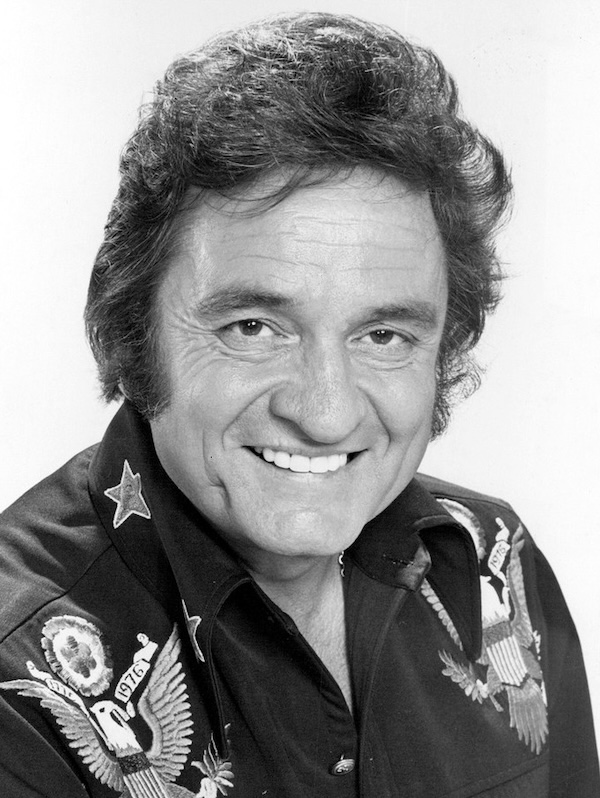
Photo by CBS Television, Public Domain
3. Johnny Cash Boyhood Home | Dyess
About 80 miles north of Helena, another Arkansas music story was taking shape in the cotton fields around Dyess. Johnny Cash was only three years old when his family moved to the Dyess Colony, a New Deal agricultural community created during the Great Depression.
Cash, then known as J.R., grew up working alongside his family in the fields. Music came from church, the radio and his mother’s singing, while everyday life supplied plenty of material of its own. Floods, cotton, hard work, faith and family all found their way into the songs he would write years later. When Cash sang about the land and the people who worked it, he wasn’t borrowing someone else’s story.
Exhibits tell the story of the Dyess Colony and the community that helped shape both the man and the music. Visitors can tour the Cash family home to see where the music of Cash unfolded.
Read more on OnlyInArk: Historic Dyess Colony Boyhood Home of Johnny Cash | From J.R. Cash to The Man in Black
4. Rock ‘n’ Roll Highway 67 and Guitar Walk | Northeast Arkansas
By the 1950s, a different kind of Arkansas music story was unfolding along Highway 67. Clubs, roadhouses, school gyms and dance halls provided a steady circuit of places to perform, and young musicians traveled the highway from town to town looking for audiences.
Johnny Cash, Elvis Presley, Jerry Lee Lewis, Roy Orbison, Conway Twitty, Sonny Burgess and Billy Lee Riley were among the musicians who played along the route. Country and hillbilly music mixed with rhythm and blues, creating the energetic sound known as rockabilly. Long before many of these performers became household names, they piled instruments into cars and headed to another Arkansas town for the next show.
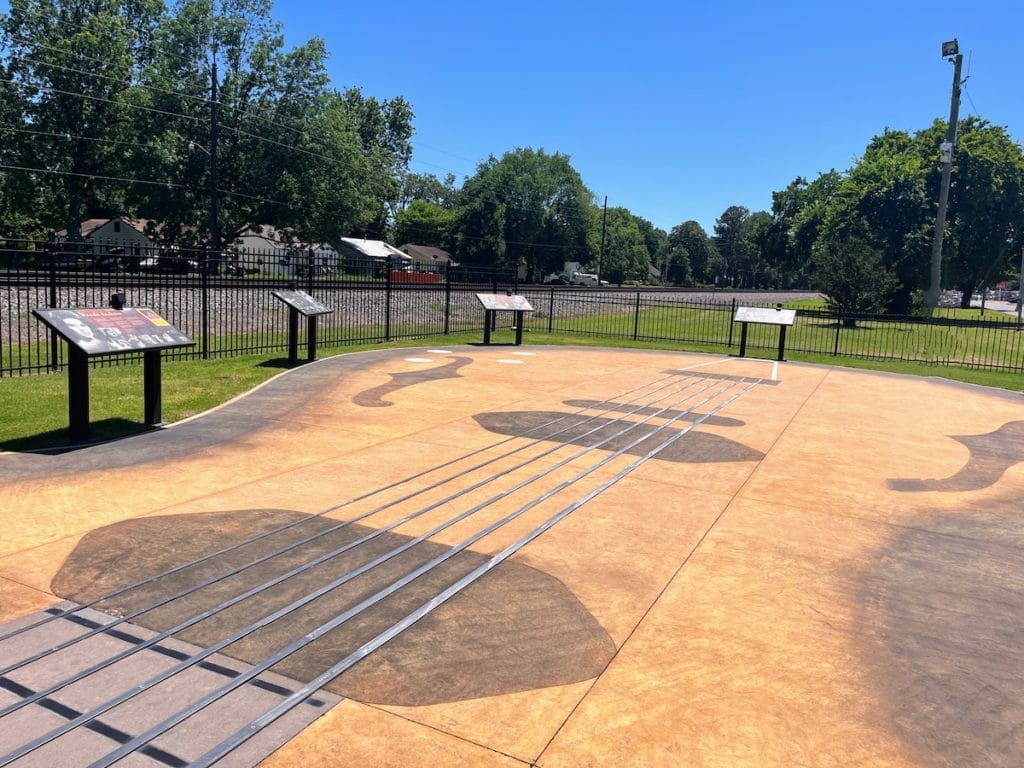
Today, the Guitar Walk in Walnut Ridge helps tell that larger story. The 115-foot-long walkable guitar includes stations about musicians connected to the highway, with narration by Arkansas rockabilly musician Sonny Burgess. Nearby Beatles Park adds another unexpected chapter. The Beatles briefly landed at the Walnut Ridge airport in September 1964, drawing a crowd when they returned a few days later. In one small Arkansas town, you can trace the story from early rockabilly to Beatlemania.
Read more on OnlyInArk: Rockin’ and Rollin’ on Highway 67 | Music Legends of the Rock N’ Roll Highway
5. Levon Helm Boyhood Home | Marvell and Turkey Scratch
Levon Helm grew up on a cotton farm in the tiny Delta community of Turkey Scratch, but the music around him was anything but isolated. He heard country and bluegrass, gospel music in local churches and blues coming over the radio on King Biscuit Time. Traveling shows and musicians passing through the Delta added even more sounds to the mix.
Those influences stayed with Helm as he began performing professionally and eventually became the drummer and one of the signature voices of The Band. Listen to songs like “The Weight” and “Up on Cripple Creek,” and it’s easy to hear the mix of American musical traditions that surrounded him as a child.
Helm’s boyhood home was moved from Turkey Scratch to nearby Marvell and restored after demolition was threatened. Visitors can now tour the small house where he grew up. It also creates a nice connection back to Helena. The blues being broadcast from King Biscuit Time wasn’t simply entertaining listeners across the Delta. Kids like Levon Helm were paying attention.
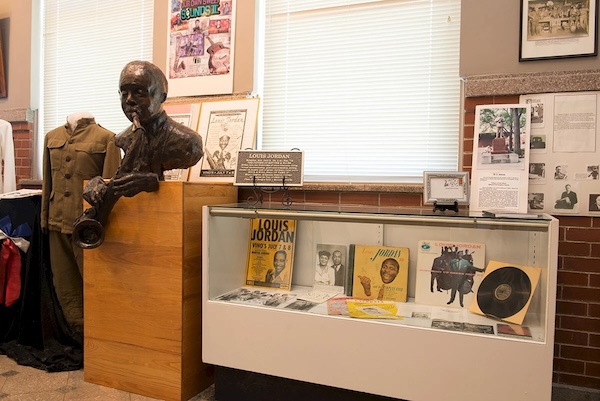
6. Central Delta Depot Museum | Brinkley
Louis Jordan may not be as familiar a name as Johnny Cash or Glen Campbell, but his influence on American music is hard to overlook. Born in Brinkley in 1908, Jordan became one of the biggest recording artists of the 1940s, mixing jazz and blues into the upbeat style known as jump blues.
Songs like “Caldonia,” “Choo Choo Ch’Boogie” and “Saturday Night Fish Fry” were huge hits, and the sound Jordan helped popularize influenced the rhythm and blues and early rock and roll that came next. Musicians including Chuck Berry and Ray Charles were influenced by his work, which makes this small Delta town an interesting stop in Arkansas’s music story.
The Central Delta Depot Museum in Brinkley has photographs, records and other items connected to Jordan and his career. The museum is housed in the town’s restored 1912 railroad depot and covers plenty of Brinkley history beyond music, but the Jordan collection is a good reason for music fans to stop in. It’s also a chance to learn about an Arkansas musician who deserves to be much better known.
Read more on OnlyInArk: Jazz in Arkansas: Where the Story of American Music Comes Alive
7. KWEM Radio | West Memphis
In the late 1940s and 1950s, West Memphis had a busy music scene, with clubs and juke joints lining Broadway and musicians looking for places to play. KWEM Radio gave many of those musicians something just as valuable: a chance to be heard beyond the club.
The station began broadcasting from West Memphis in 1947 and had an unusual setup. Musicians who could pay for a short block of airtime, or find a sponsor to cover it, could perform live on the radio and promote their upcoming shows. Some of the names that passed through KWEM are pretty incredible. Howlin’ Wolf, B.B. King, Ike Turner, Johnny Cash and other musicians who would go on to much bigger careers all appeared on the station.
KWEM’s original run ended decades ago, but that’s not the end of the story. The station was eventually revived and is now operated by Arkansas State University Mid-South, where you can also see a replica of the original studio and artifacts from its early years. KWEM is broadcasting music again, including the blues, gospel and rockabilly sounds connected to its history.
That makes this stop a little different from some of the others on our list. You can visit ASU Mid-South to learn about the original station, or tune in to hear music carrying the KWEM name today. More than 75 years after musicians first walked into that West Memphis studio hoping someone important might be listening, KWEM is still sending Arkansas music out over the airwaves.
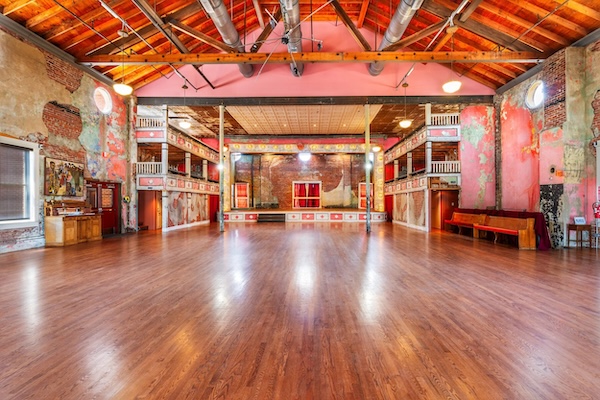
8. Dreamland Ballroom | Little Rock
Not all of Arkansas’s musical crossroads were in the Delta or along rural highways. In Little Rock, West Ninth Street became the heart of a thriving Black business and entertainment district, and Taborian Hall’s third-floor Dreamland Ballroom became one of its best-known gathering places.
Dreamland was part of the Chitlin’ Circuit, the network of clubs, theaters and ballrooms that welcomed Black performers during segregation. Louis Armstrong, Ella Fitzgerald, B.B. King and other major musicians performed there, alongside regional and local acts. For Black Arkansans, places like Dreamland offered far more than entertainment. They provided important spaces for community and culture.
Taborian Hall still stands on West Ninth Street, and preservation efforts have brought the Dreamland Ballroom back to life. Visitors can tour the ballroom or attend events held throughout the year.
Read more on OnlyInArk: Historic Taborian Hall: The Heart of Arkansas Flag and Banner | Jazz in Arkansas: Where the Story of American Music Comes Alive | 16 Significant Arkansas Black History Sites
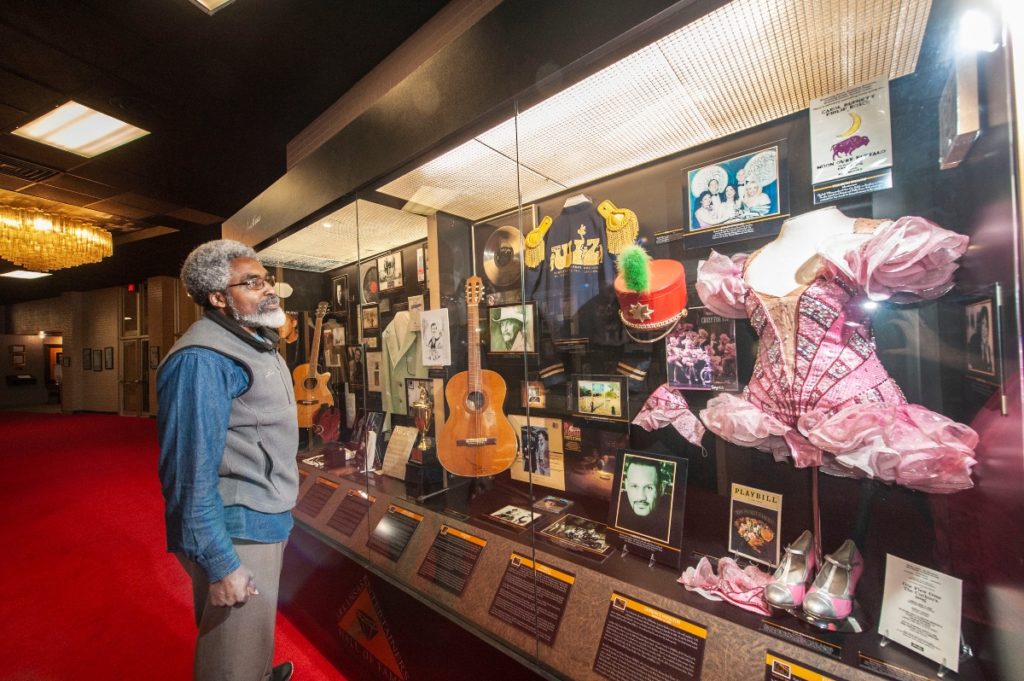
Photo courtesy of Arkansas Department of Parks, Heritage and Tourism.
9. Arkansas Entertainers Hall of Fame | Pine Bluff
Once you start looking at Arkansas music history, the number of familiar names becomes surprisingly long. The Arkansas Entertainers Hall of Fame in Pine Bluff brings many of them together and offers a good look at how varied the state’s musical contributions have been.
The Hall of Fame recognizes Arkansans from across the entertainment industry, but its musical inductees include Johnny Cash, Glen Campbell, Levon Helm, Jimmy Driftwood, Charlie Rich and many others. Instruments, costumes, photographs and other memorabilia help connect those well-known names to the Arkansas communities where their stories began.
Read more on OnlyInArk: The Arkansas Entertainers Hall of Fame
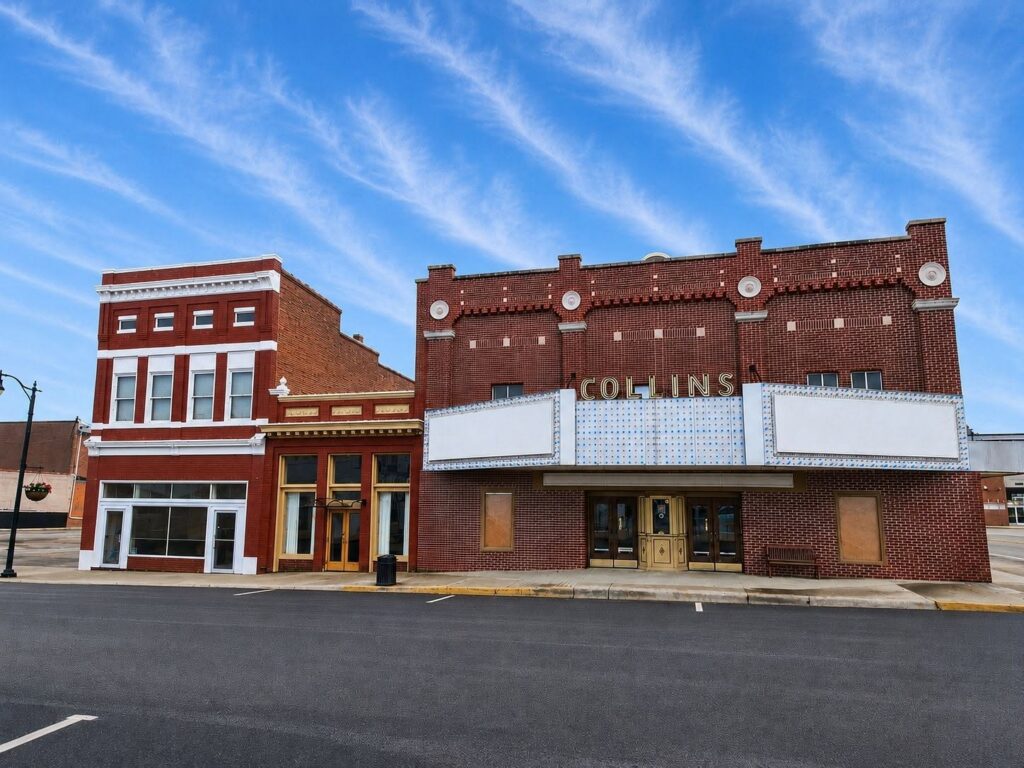
10. Collins Theatre | Paragould
The Collins Theatre has been part of downtown Paragould for more than 100 years. It opened as the Capitol Theatre in 1925, when people came for silent movies, vaudeville acts and live performances. Entertainment has changed quite a bit since then, but the theater is still bringing people downtown for a show.
Today, bluegrass is a regular part of the schedule. KASU’s Bluegrass Monday concert series brings bluegrass musicians to the Collins throughout the year, and the theater is also home to the annual Big Grass Bluegrass Festival, which has brought well-known performers from Arkansas and around the country to Paragould.
While many stops on this list look back at musicians and places from Arkansas’s past, the Collins offers a chance to sit down and listen. It’s a historic theater where Arkansas’s connection to bluegrass and traditional music continues with each new group that takes the stage.
More Arkansas Music Stories
These 10 stops are a good place to start, but Arkansas’s music history reaches well beyond this list. One way to keep exploring is through the Arkansas Delta Music Trail, which connects museums, markers, historic sites and other places tied to the musicians and sounds of eastern Arkansas. The trail includes several stops on this list along with places connected to Sister Rosetta Tharpe, Albert King, Billy Lee Riley and many others.
Start with a few of these places, then see what else you can find along the way. You may be surprised by how many Arkansas towns connect to the music we still listen to today.


We do the work.
You check your email.
Sign up for our weekly e-news.
Get stories sent straight to your inbox!


Like this story? Read more from Julie Kohl
The teacher in me is always looking for ways to sneak a little learning...
Walk through almost any old cemetery in Arkansas and it is easy to focus...
Since I was a teenager, something about the cool weather and falling...
Join the Conversation
Leave a Comment