







Uh oh...
It appears that you're using a severely outdated version of Safari on Windows. Many features won't work correctly, and functionality can't be guaranteed. Please try viewing this website in Edge, Mozilla, Chrome, or another modern browser. Sorry for any inconvenience this may have caused!
Read More about this safari issue.

Before you think we’ve lost our minds and published this too late in the season, a recent deep dive into traditional Christmas customs reveals something surprising. The real Twelve Days of Christmas do not start Dec. 1 or even in mid-December, as many of us grew up believing. Instead, for much of Christian history worldwide, the Twelve Days begin on Christmas itself, either at midnight Mass on Christmas Eve or on the morning of Dec. 26, depending on your tradition.
Throughout Europe, Christmastide was traditionally a twelve-day celebration after the birth of Christ, not just a countdown to Dec. 25. Many early American settlers brought these customs with them, so much of the country once celebrated the season similarly. Back then, the focus was much simpler—faith, family, hospitality, and traditions carefully passed down through generations.

A Brief History
The Twelve Days of Christmas began as a series of feast days celebrated by early Christians across Europe. These celebrations honored the birth of Christ, the visit of the Magi, and key moments in Jesus’s early life. Over time, various cultures added their own customs, from quiet reflection to lively festivities.
In medieval and Tudor times, people fasted for the four weeks before Christmas. When Christmas Day finally came, they celebrated with feasting, singing, storytelling, and hospitality during the dark winter days. Most work stopped, spinning wheels slowed down, and fields stayed quiet. In farming communities, including early Arkansas settlements, this peaceful season was a much-needed break. Families and neighbors gathered, shared what they had, and rested after a long year of hard work.
While modern Christmas celebrations usually take place before Dec. 26, historically, the festivities began on Christmas Day and continued through Twelfth Night, the evening of Jan. 5. In some traditions, they end January 6 with Epiphany or Three Kings Day.

The Twelve Days of Christmas: What They Mean
Although interpretations vary among Christian traditions, each day of Christmastide holds its own historical significance, symbolism and cultural traditions.
Day 1: Dec. 25 – The Nativity of Jesus
Christmastide begins with celebrating Christ’s birth. After midnight Mass, families gathered for a lavish feast, often the first substantial meal after weeks of fasting during Advent. Homes were decorated on this day, not earlier and the greenery, candles, and ornaments stayed up until Twelfth Night. The spirit of the day was one of joy, rest, and gratitude for the arrival of the Messiah.
- Easy Holiday Hospitality
- Community meals
- Iconic Arkansas Meals
- Creating a Table to Gather
- Arkansas farm-to-table Dining
- Food with Arkansas Roots
- Barbecue Lovers’ Guide to Arkansas BBQ
- 10 Favorite Fried Foods of Arkansas

Day 2: Dec. 26 – Feast of St. Stephen
This day honors St. Stephen, one of the early church deacons known for his generosity to the poor. It has become a tradition to give alms, share meals, and care for those in need. The famous carol “Good King Wenceslaus” is based on the story of a king helping a poor man on this very day. Many families still observe Dec. 26 as a day of service and kindness.
- Supporting Arkansas Non-profits
- A Community of Care for Veterans
- Adopting Pets in Arkansas
- Grace’s Toy Closet
- Arkansas Food Bank
- Volunteer Together
Day 3: Dec. 27 – Feast of St. John the Evangelist
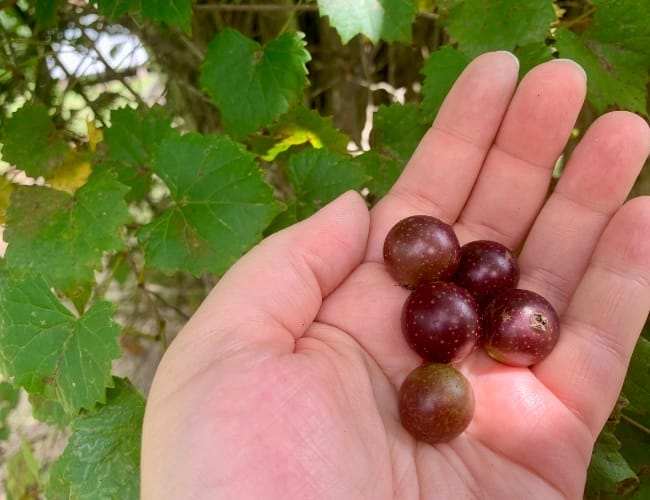
This day is rich in tradition, celebrated with fellowship and sharing drinks. According to legend, St. John once blessed a poisoned cup of wine and survived, so wine became closely associated with his feast. Medieval households shared a steaming bowl of wassail, a warm mixture of ale, spices, apples and sugar, hoping for health and blessings.
- Arkansas Wine Trail
- King James Wine
- Post Family Vineyards
- Weinkeller and Wiederkehr Village
- Country Monks Brewing
- Arkansas Distilleries and Breweries
- Arkansas Apple Cidery
Day 4: Dec. 28 – Feast of the Holy Innocents (Childermas)
This day honors the children lost in Bethlehem under King Herod’s order. Over time, it has shifted from mourning to celebrating children. In many countries, children “ruled the household” for the day, selecting meals, games and activities.
- Rainy Day Activities with Kids
- Aviation Destinations for Kids
- Arkansas Spots for kids who love Pirates
- Arkansas Nature Centers
- Car Lovers’ Guide to Arkansas
- Dinosaurs in Arkansas
- Exploring Space in Arkansas
- Odd Museums in NWA
- Interactive Science Museums in Arkansas
Day 5: Dec. 29 – Feast of St. Thomas Becket
St. Thomas Becket’s life and martyrdom turned him into a symbol of loyalty, friendship and courage. His feast day became a time to gather with friends, share meals, and sing carols from house to house. In some areas, groups would start with food and cheer at one house, then walk down the street caroling at every door. It was a social event designed to strengthen community bonds during the darkest part of winter.
- Arkansas Pie Trail
- Arkansas’ Best Pie Shops
- Arkansas Bakeries
- Peanut Butter Cream Pie
- Pecan Pie Muffins
- Cinnamon Pecan Christmas Candy

Day 6: Dec. 30 – A Celebration of Creation
This day marks the six days of creation mentioned in Genesis. Traditionally, it encouraged people to observe God’s craftsmanship in the world around them. Even in the coldest regions, families would go for walks, gather winter greenery or just spend time outdoors. It became a natural day to enjoy nature before the longest part of winter set in.
- Using the outdoors as a classroom
- Do an outdoor art walk
- Family Friendly winter Hikes
- Moonlit Night Hikes
- Urban Hikes and Walking Trails
- First Day in Arkansas State Parks
- First Day Hikes
- Enjoy Arkansas in winter
- Winter Fishing in Arkansas
- Scenic Drives in Arkansas
- Hideouts and Caves in Arkansas
Day 7: Dec. 31 – New Year’s Eve and a Day for Games
Long before modern New Year’s Eve celebrations, this day was celebrated with sports and lively games. Winter weather influenced the activities, including skating, sledding and ballgames, but the main goal was simply to have fun together. It marked the transition from one year to the next with energy and community spirit. Families still see it as a day to move, laugh and create memories before midnight.
- Wholesome Family Traditions for New Years
- Single Night Backpacking for NYE
- New Year’s Celebrations
- Staying Connected with Busy Kids
- Road Trip Games with Kids
- Arkansas Sports Stories
Day 8: Jan. 1 – New Year’s Day and the Day of Gifts
In many cultures, this was the official day to exchange gifts rather than Christmas Day. The practice symbolized blessing each other at the start of the year and offering a token of goodwill. Some families shared small items such as fruits, books or handmade goods. Today, New Year’s Day in the American South is also connected with “lucky foods,” making it a perfect day to combine feasting, gratitude and simple gift-giving.
- New Year’s Food Intentions
- Arkansas Made Favorite Things
- 10 Garden Resolutions for the New Year
- Arkansas Food Gifts
- Arkansas Made Food Gifts
- Ultimate Arkansas Gift Giving Guide

Day 9: Jan. 2 – Quiet Reflection and the Feast of St. Basil and St. Gregory
This quieter day honors two influential early church fathers who shaped Christian thought and spiritual practice. It naturally becomes a time of stillness after days of celebration. Families often use this day for prayer, reflection, and enjoying the beauty of winter landscapes.
- Hiking with Kids in Arkansas
- Arkansas Nature Centers
- Cold snap Fun
- Outdoor Arkansas Adventures
- Winter Gardening in Arkansas
- Essentials for Winter Hiking
- Meditation in the New Year
- E. Fay Jones Chapels in Arkansas
- Destinations for Peace and Spiritual Growth
- Arkansas Churches and Chapels
Day 10: Jan. 3 – A Winter Day for Warmth and Learning
Historically, this was another peaceful day when families stayed indoors to conserve heat. People read, did crafts or learned new skills to prepare for the long season ahead. It was a day to enjoy the gifts of Christmas, such as books, games, tools or craft supplies, and to settle into winter’s rhythm.
- Arkansas Children’s Books
- Arkansas Authors
- Arkansas Books
- Book by and For Arkansas Men
- Winter Kids Crafts
- New Skills that Multiply
- The Art of Journaling
Day 11: Jan. 4 – Twilight of the Season and Twelfth Night Traditions
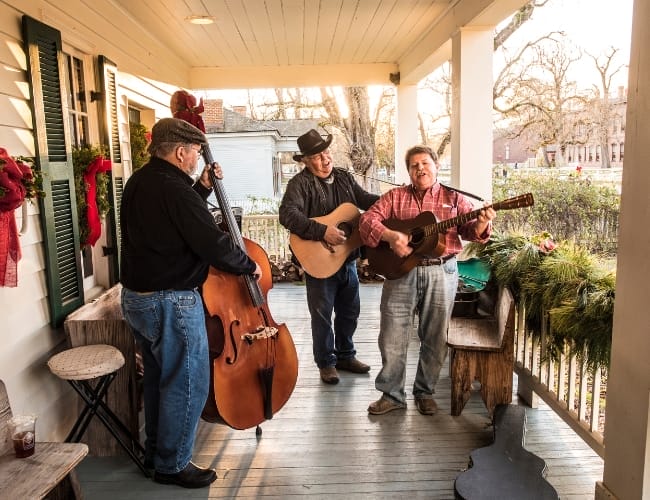
This day often merges with the anticipation of Twelfth Night. Medieval and Tudor customs included masked balls, short comedic plays and a special “King Cake” with a hidden bean or coin. Whoever found the token was crowned “king” or “queen” of the celebration. Many of these traditions influenced modern Mardi Gras festivities.
- King Cakes in Arkansas
- Mardi Gras Celebrations
- Cajun Jambalaya for Mardi Gras
- Arkansas College Performing Arts Centers
- Historic Theaters of Nashville
- Improv Theater in Arkansas
- The Arkansas Repertory Theater
Day 12: Jan. 5 or 6 – Epiphany or Three Kings Day
Epiphany commemorates the visit of the Magi to the Christ child. In many cultures, it marks the last day to exchange gifts, often with small treats left in children’s shoes. Families gather for a festive meal, enjoy the remaining Christmas pastries, and then finally take down their decorations. This final day gently transitions the Christmas season into the ordinary days of winter.
- Arkansas Christmas Legends
- Winter Weekend Getaways
- Arkansas towns with European Names
- Arkansas Pastry Shops
- Cozy Winter Reads
- Enjoy Arkansas before Winter Ends

Where the Song Comes In
Most of us recognize the Twelve Days of Christmas from the popular repetitive carol, which features birds, drummers, milkmaids and five golden rings. However, the song itself has a fascinating history.
Many scholars believe it began as a teaching tool during a time when practicing the Catholic faith openly in England was dangerous. The gifts weren’t meant as literal presents but symbolic reminders of core beliefs:
- Partridge – Jesus Christ
- Turtle Doves – Old and New Testaments
- French Hens – Faith, Hope and Love
- Calling Birds – The four Gospels
- Golden Rings – The first five books of the Bible
- Geese – The six days of creation
- Swans – Gifts of the Holy Spirit
- Maids – The Beatitudes
- Ladies – Fruits of the Holy Spirit
- Lords – Ten Commandments
- Pipers – Eleven faithful apostles
- Drummers – Points of doctrine in the Apostles’ Creed
The “true love” in the song refers not to a sweetheart but to God Himself, providing gifts of truth to the believer.
Whether or not every detail of that history can be verified, the symbolism remains a heartfelt reminder that Christmas was once celebrated gradually and with intention, blending both joy and reverence.

Time to Rediscover
The “Twelve Days of Christmas” invites us to rediscover a rhythm our ancestors appreciated—a rhythm of feasting and quiet, gathering and resting, worship and wonder. In a season that often feels rushed, these days offer space to breathe.
As Arkansans, we live in a place shaped by farming traditions, close-knit communities and faith-filled celebrations. The 12 days offer a window into how earlier generations celebrated Christmastide, and they inspire us to hold on to traditions that anchor us, ground us, and remind us of who we are.
Unless otherwise noted, images in the story were used with permission from the Arkansas Department of Parks, Heritage and Tourism.


We do the work.
You check your email.
Sign up for our weekly e-news.
Get stories sent straight to your inbox!


Like this story? Read more from Keisha Pittman McKinney
It's officially soup season in Arkansas. After a period of cold weather,...
Stuffing an Easter basket is one of those quiet rites of parenthood....
Arkansas has long been fascinated with outlaws. From Jesse James and Bill...
Join the Conversation
Leave a Comment